
Understanding the Exposure Triangle
When I first start out in photography, there was a steep learning curve with my camera, understanding the exposure triangle and which camera settings work best for the genre of photography I was shooting. Soon I had to ask myself some hard questions about those settings when capturing an image. Do I want a shallow depth of field, with the subject sharp and the background pleasantly blurred using a wide open aperture, or a deep depth of focus where everything from foreground to background is sharp using a narrow, closed-up aperture? Do I want a slow shutter speed to blur motion creatively, or a fast shutter speed to freeze action cleanly? By this stage I was so confused that I started searching YouTube for the “best” camera settings for the genre of photography I was trying to specialise in. After spending hours researching videos and tutorials, I headed out into the field to practice with the settings those YouTubers recommended — only to come home feeling deflated because the images don’t turn out as expected and feel like garbage. I think we can all relate to encountering this scenario at some stage in our photography journey.
As your experience with using your camera increases and your understanding of what settings work best for the lenses you own, you begin to realise there is no single set of camera settings that will create a perfect photograph in every situation. I think one of the most widely discussed parts of the exposure triangle is ISO. When I was first starting out I was told to never raise your ISO above 100, because higher ISO values introduce noise into images. If you aren’t using the correct aperture or shutter speed for the scene you are photographing, increasing the ISO simply changes the camera sensor's sensitivity to light and tends to amplify noise (grain) in the image. Once I understood how exposure works in practice, I wasn’t afraid to raise my ISO when the situation required it. Modern cameras can handle very high ISO values — for example, my Sony A6700, an APS-C cropped sensor camera, has a native ISO range of 100–32000 and can be expanded much further. Knowing that I can use higher ISO settings when necessary, I generally aim to keep the ISO below 3200 on a cropped sensor body as a practical rule of thumb.
Fast Shutter Speeds for Windy Conditions
One of the lesser-known characteristics of Marlborough is the wind, and when capturing landscapes I quite often need to raise the ISO into the 400–800 range. That extra sensitivity allows a faster shutter speed to freeze motion, producing a sharper, cleaner image. The same principle applies to macro and close-up work with flowers: I prefer overcast days or shooting subjects in shade so colours are more saturated, but even a light breeze means I need a faster shutter speed to stop movement. In those cases increasing the ISO helps achieve the necessary exposure, and if the image is otherwise exposed correctly the noise is minimal and usually only requires modest noise reduction during post-processing.
I recently had a discussion with another photographer about some macro/close‑up images of flowers and the settings I used. The photographer was surprised that I was capturing such detailed images at an aperture of f/8 and a shutter speed of 1/100s, whereas they expected that I should have been at an aperture of f14 and in shutter priority rather than manual and using a shutter speed of 1/1000s. I believe it’s all about understanding your camera and lenses. When capturing an image I choose the camera settings that provide the correct exposure for that moment in time, and I can return to the same location many times and use different settings while still achieving essentially the same composition and visual result. The exact choices depend on the time of day, the quality and direction of the light, and which lens I’m using.
Both images shown below were taken from positions roughly one metre apart, and I employed slightly different camera settings to produce comparable, yet subtly varied, results.
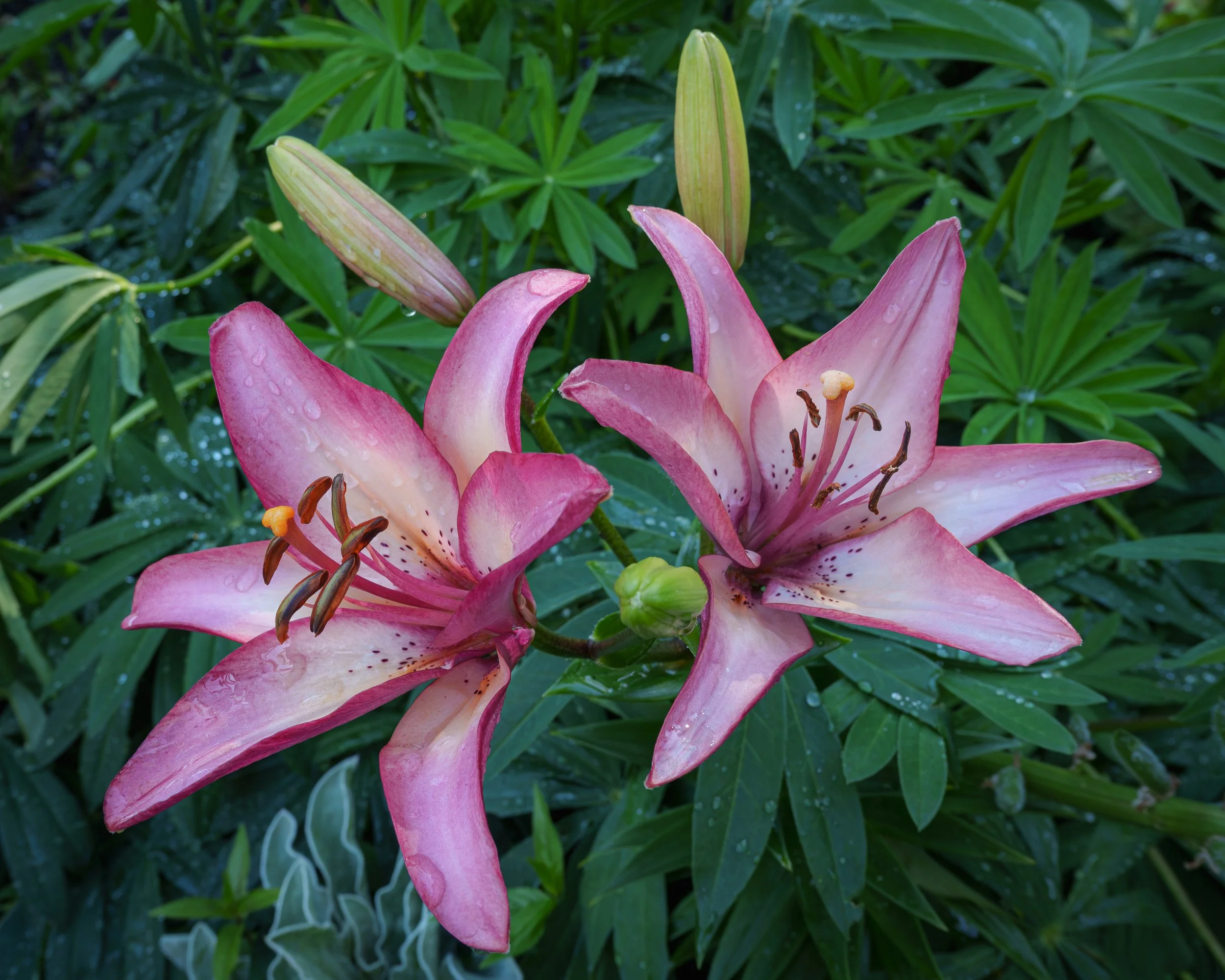
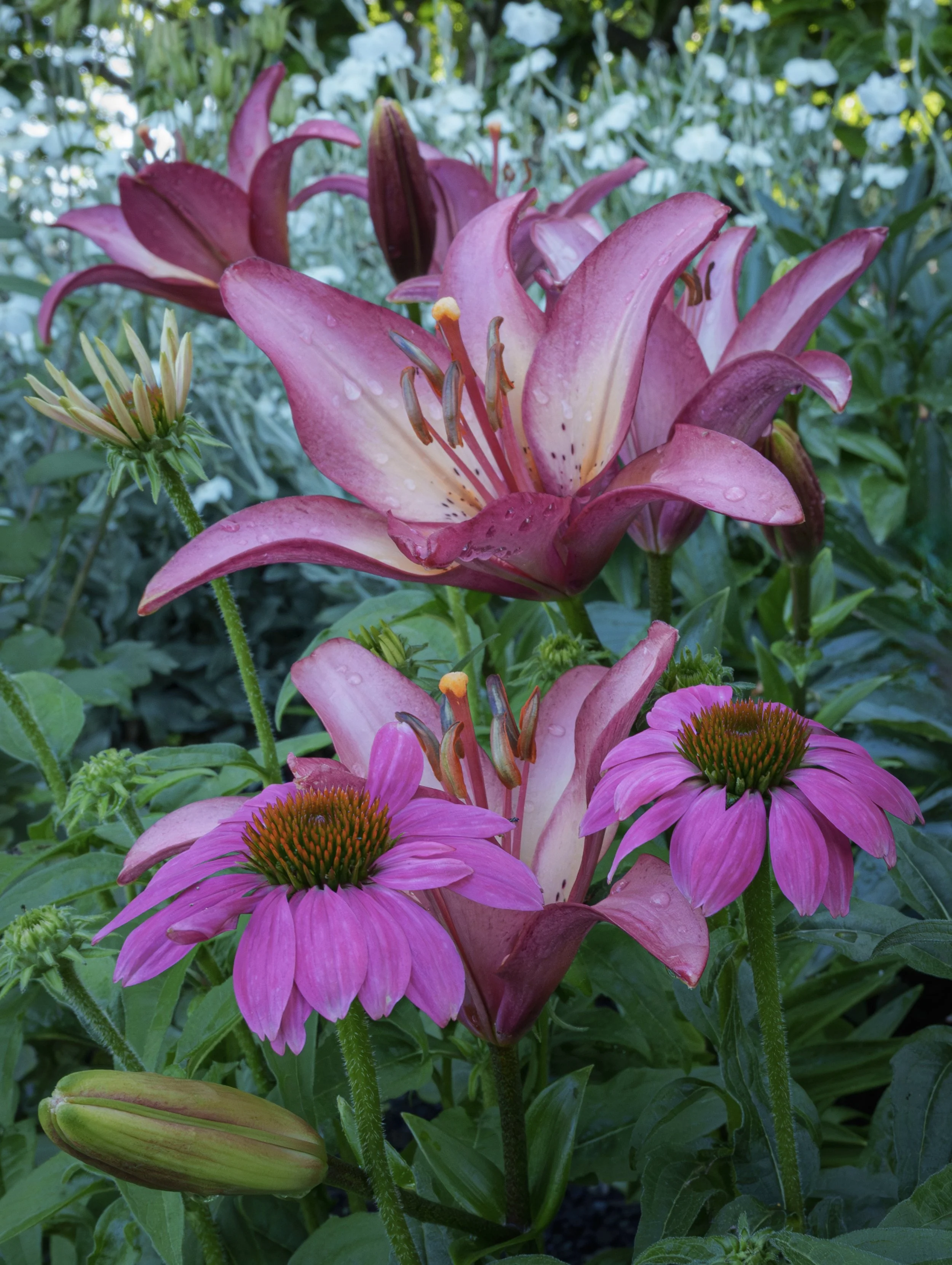
The same applies to the images below: in the image on the left a wider aperture of f5.6 resulted in the flower itself being sharply in focus while the background shows a pleasing, soft blur, whereas the image on the right was captured at a slightly narrower aperture of f8, which keeps more of the background and surrounding details in clearer focus.
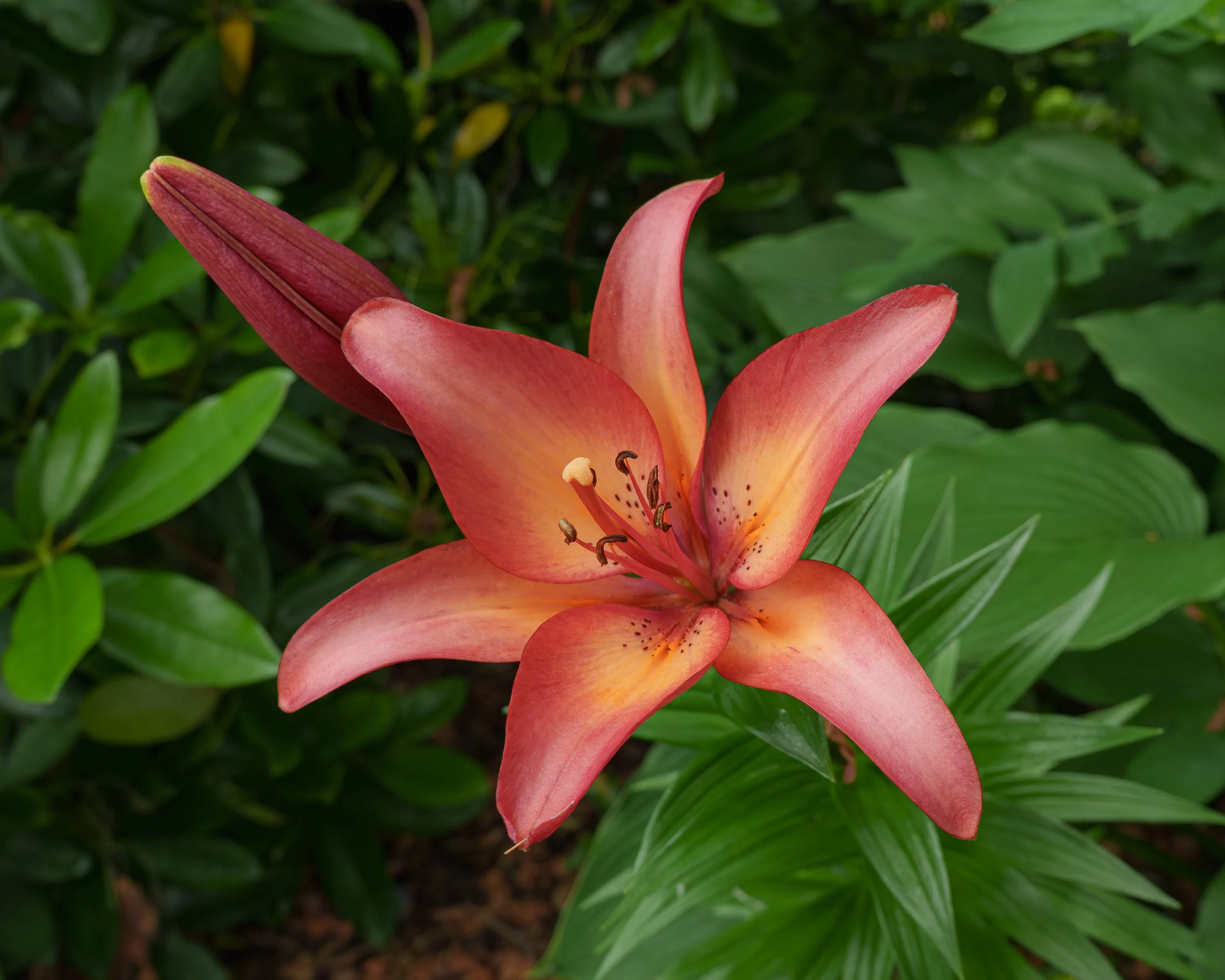
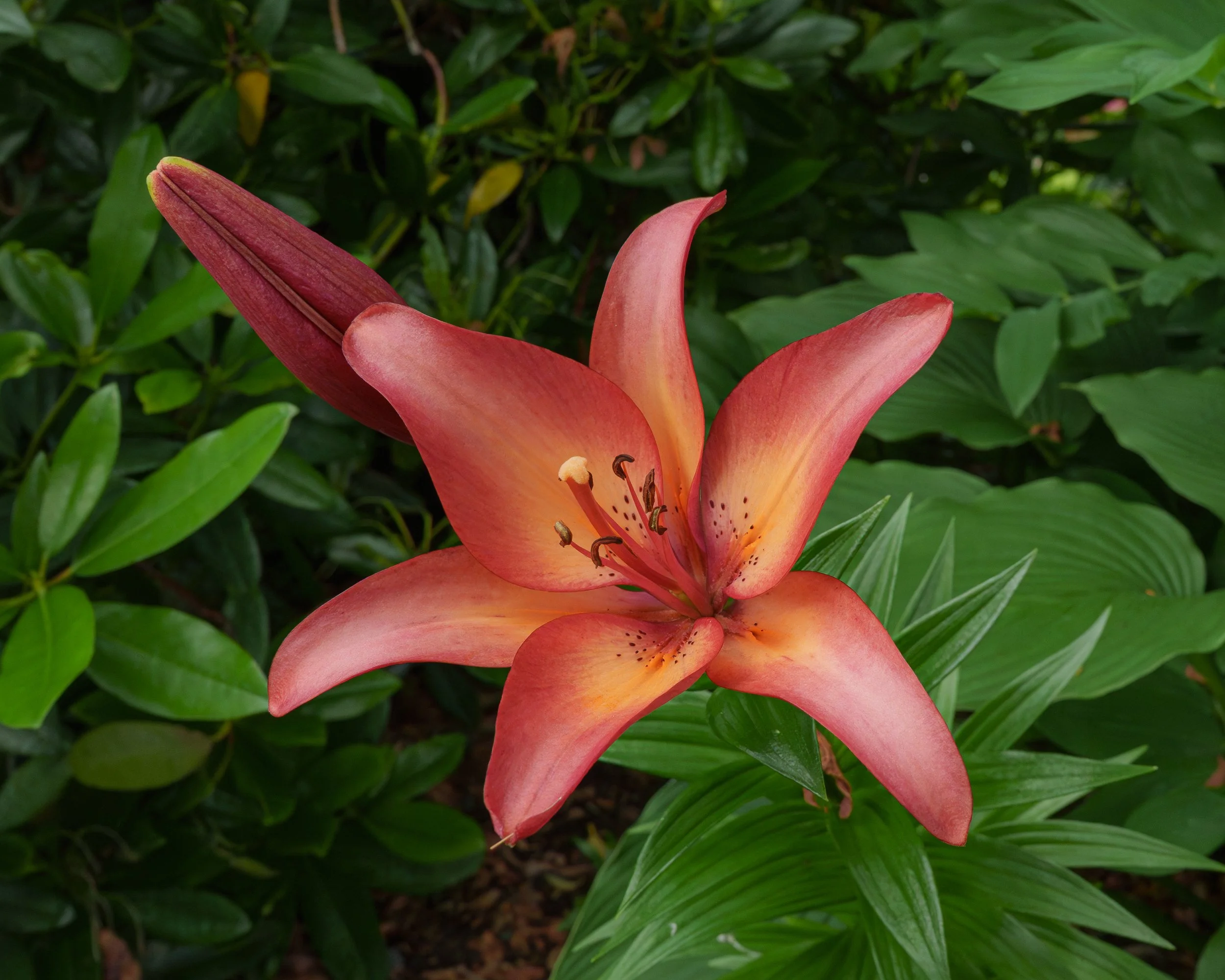
By understanding your camera and the lenses you use, getting the correct exposure is more important to me than the specific settings I chose. Once you work this out and gain confidence in how your gear responds, you will begin capturing and creating consistently better images.
I know I have, and I keep building an ever-better portfolio of images over time.