The Garden Collection: An Archival Study

The Garden Collection is an archival study captured over four months spanning the height of summer and the first quiet breaths of early autumn. Across this period, the garden becomes a living document, a place where colour shifts, textures evolve, and the atmosphere itself seems to rewrite the landscape day by day. This body of work traces that evolution with patience and intention, observing how light softens, intensifies, and eventually cools as the seasons begin their slow turn. What emerges is a portrait of a garden not as a static space, but as an ever‑changing ecosystem shaped by time, weather, and the countless interactions happening just beneath the surface.

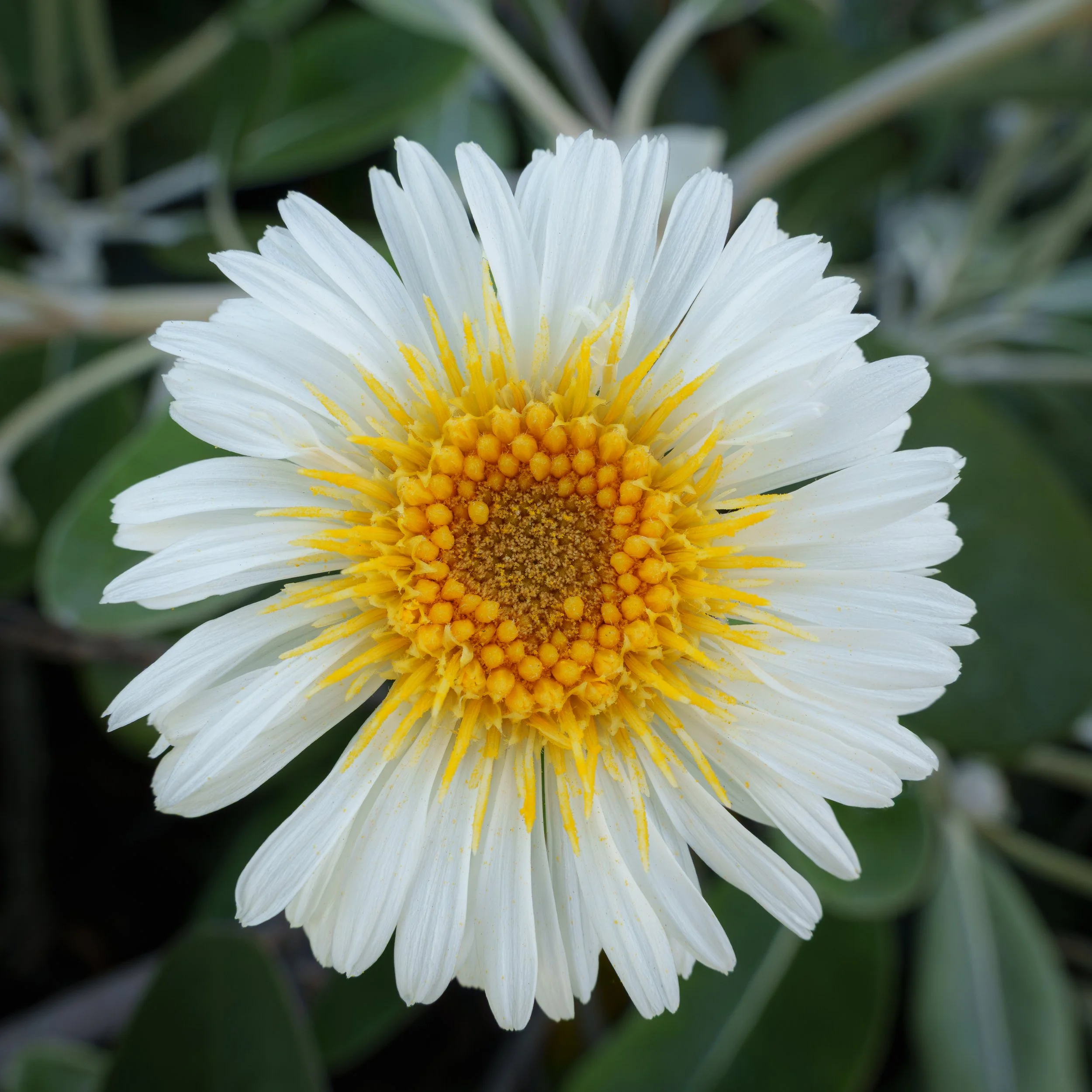
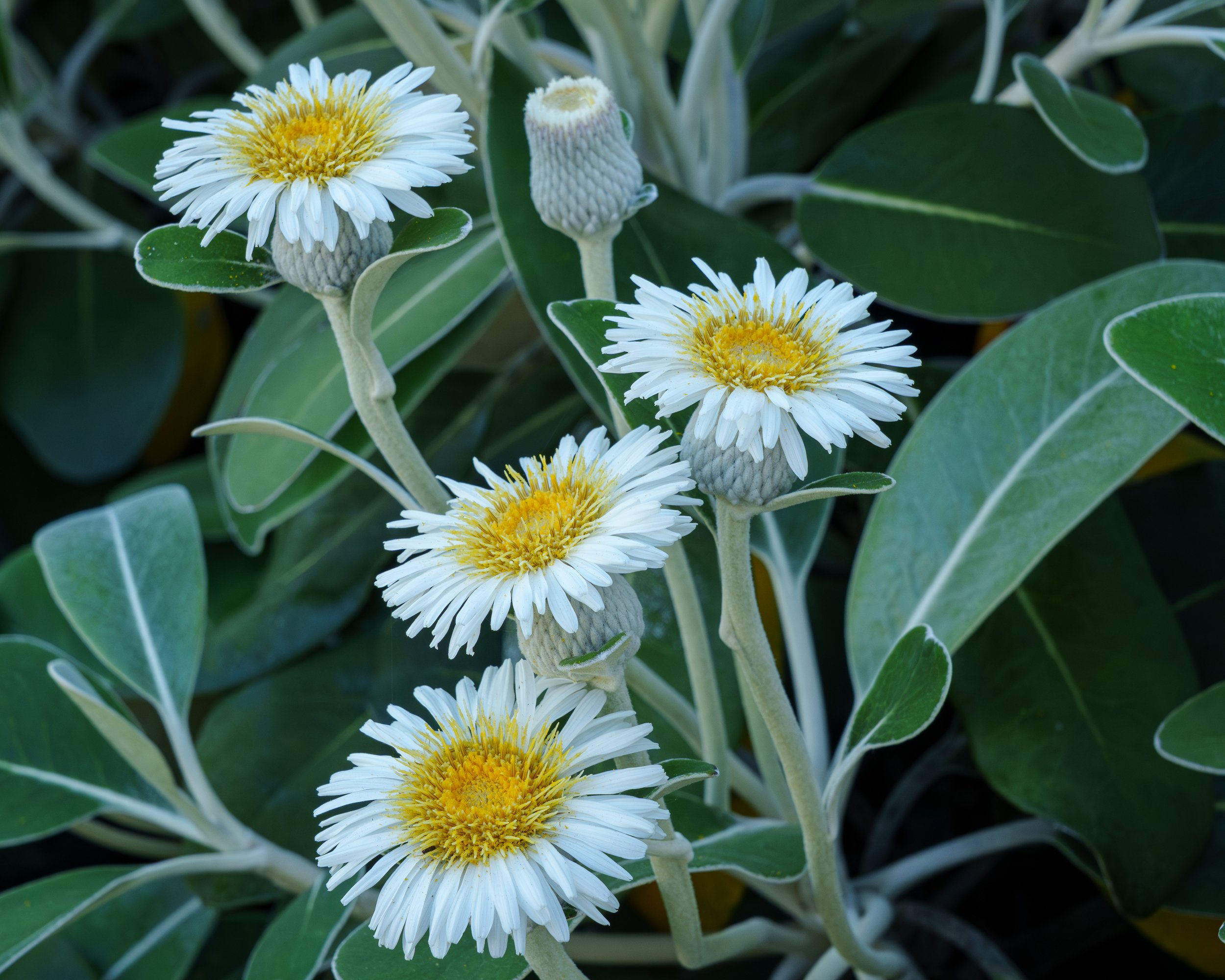
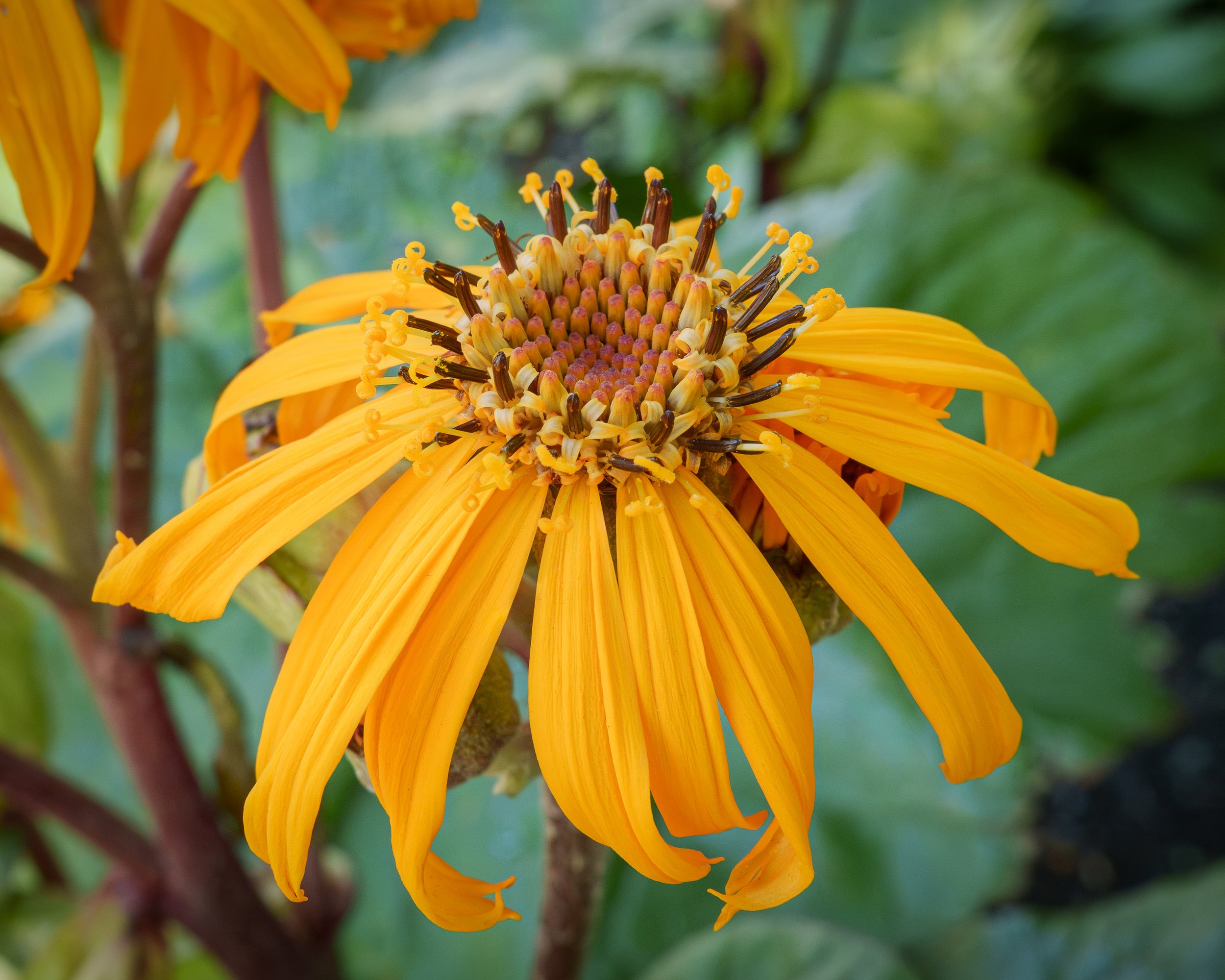
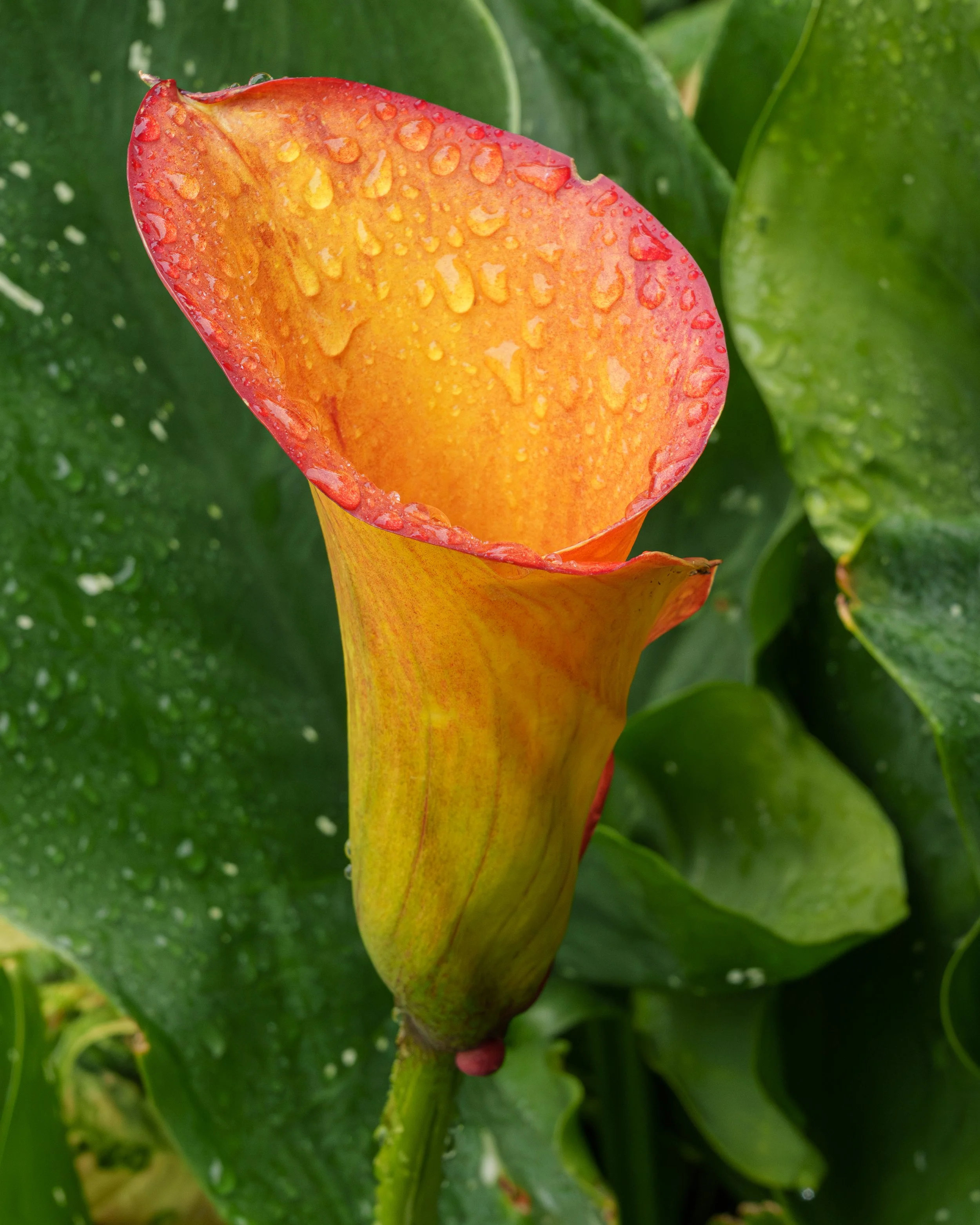
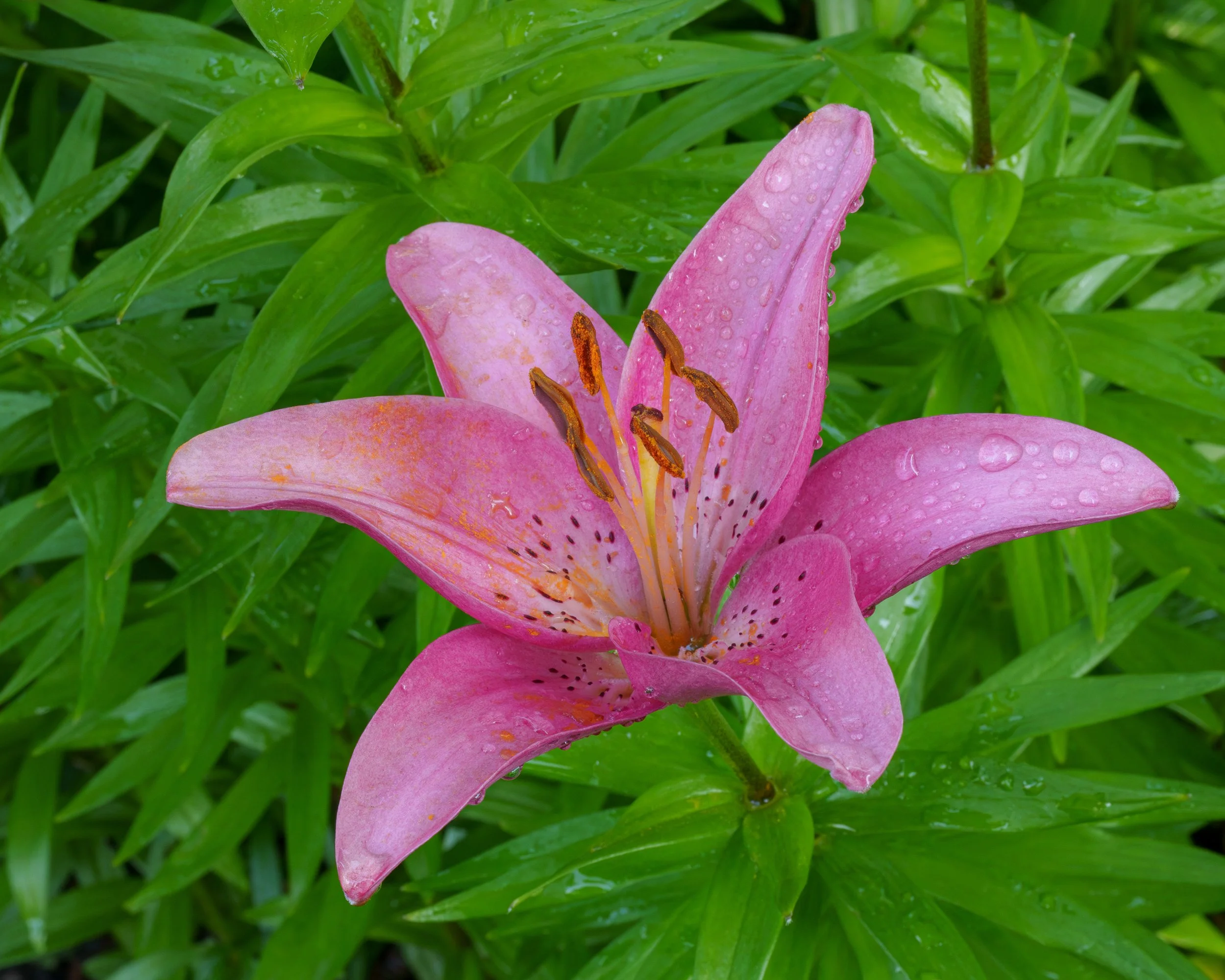
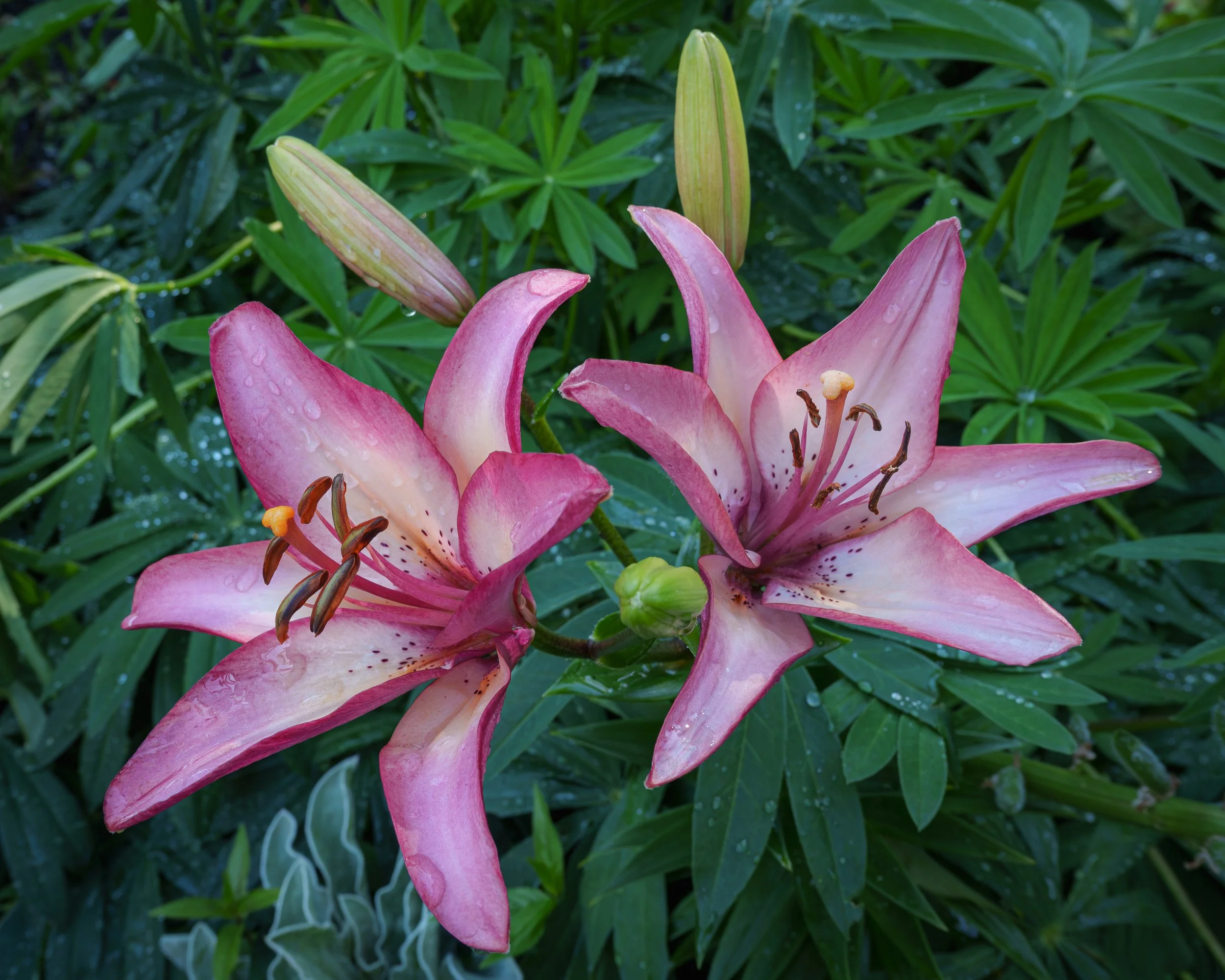
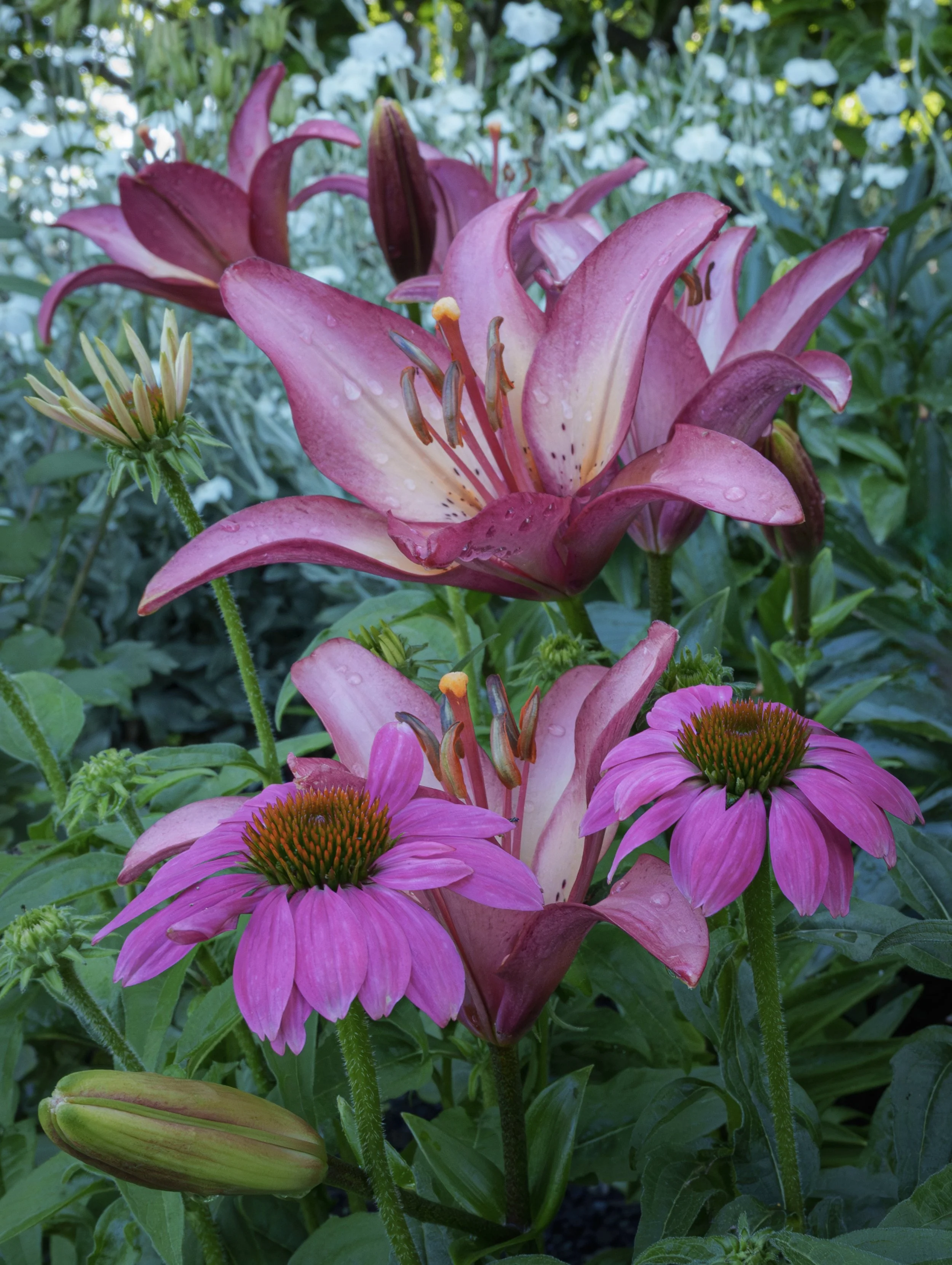
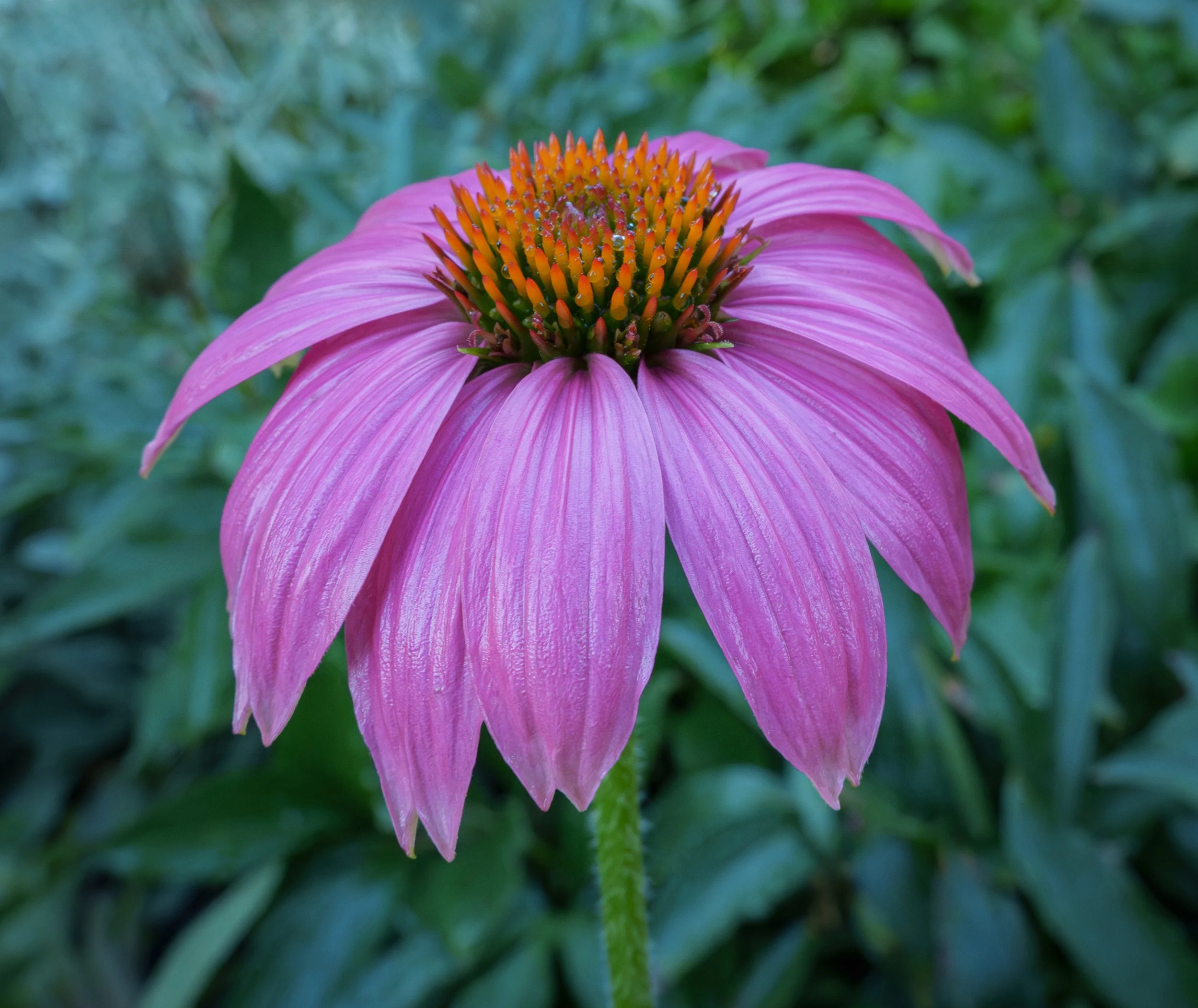
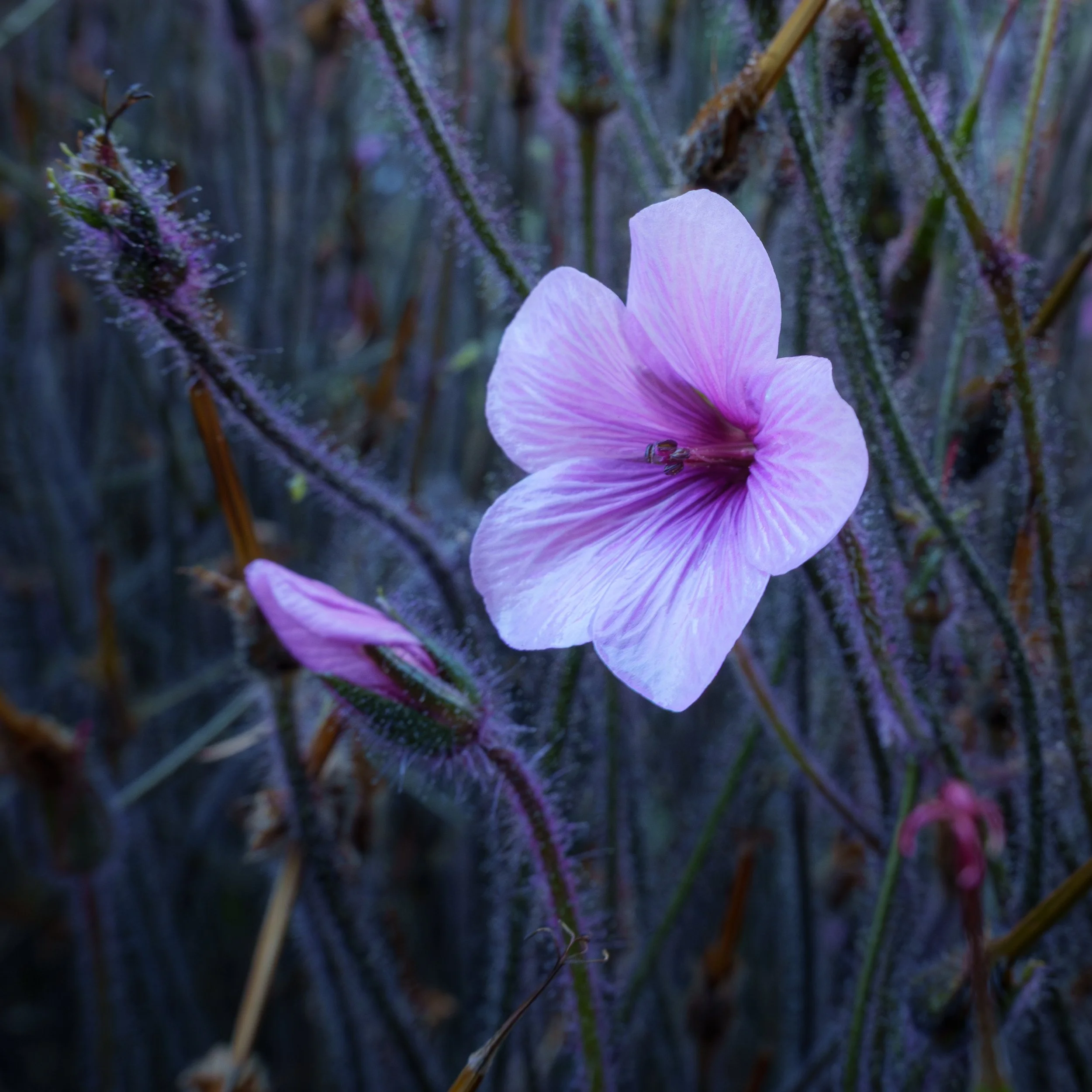
Within this collection, the garden reveals its deeper architecture: the structural elegance of stems, leaves, and petals that form the Architecture of Flora. These natural designs, geometric, fragile, and quietly engineered, become the foundation of the visual narrative. Alongside them, the sensory world of scent takes shape in A Fragrant Industry, where blossoms, herbs, and flowering shrubs create an invisible economy of aroma that shifts with heat, humidity, and time of day.

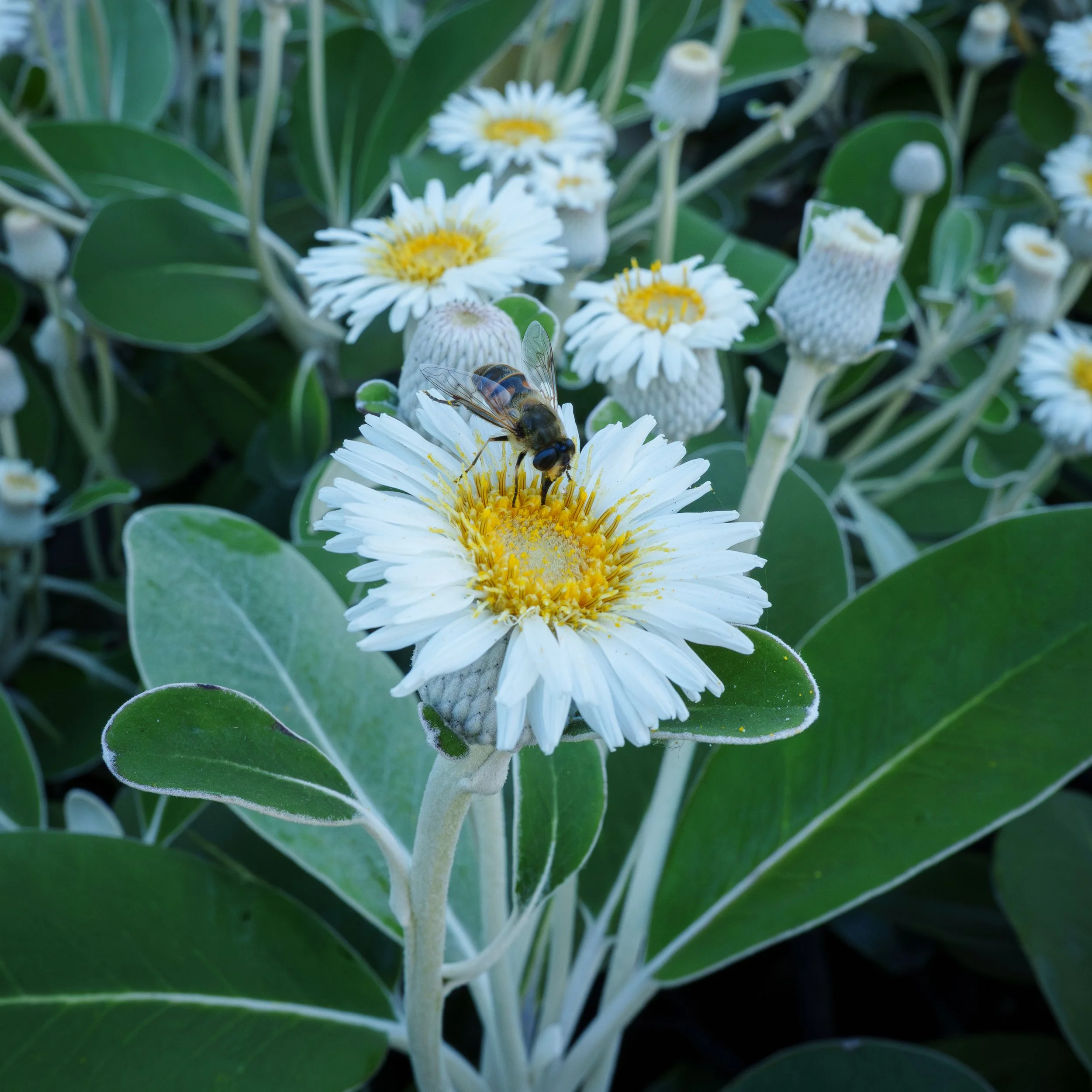
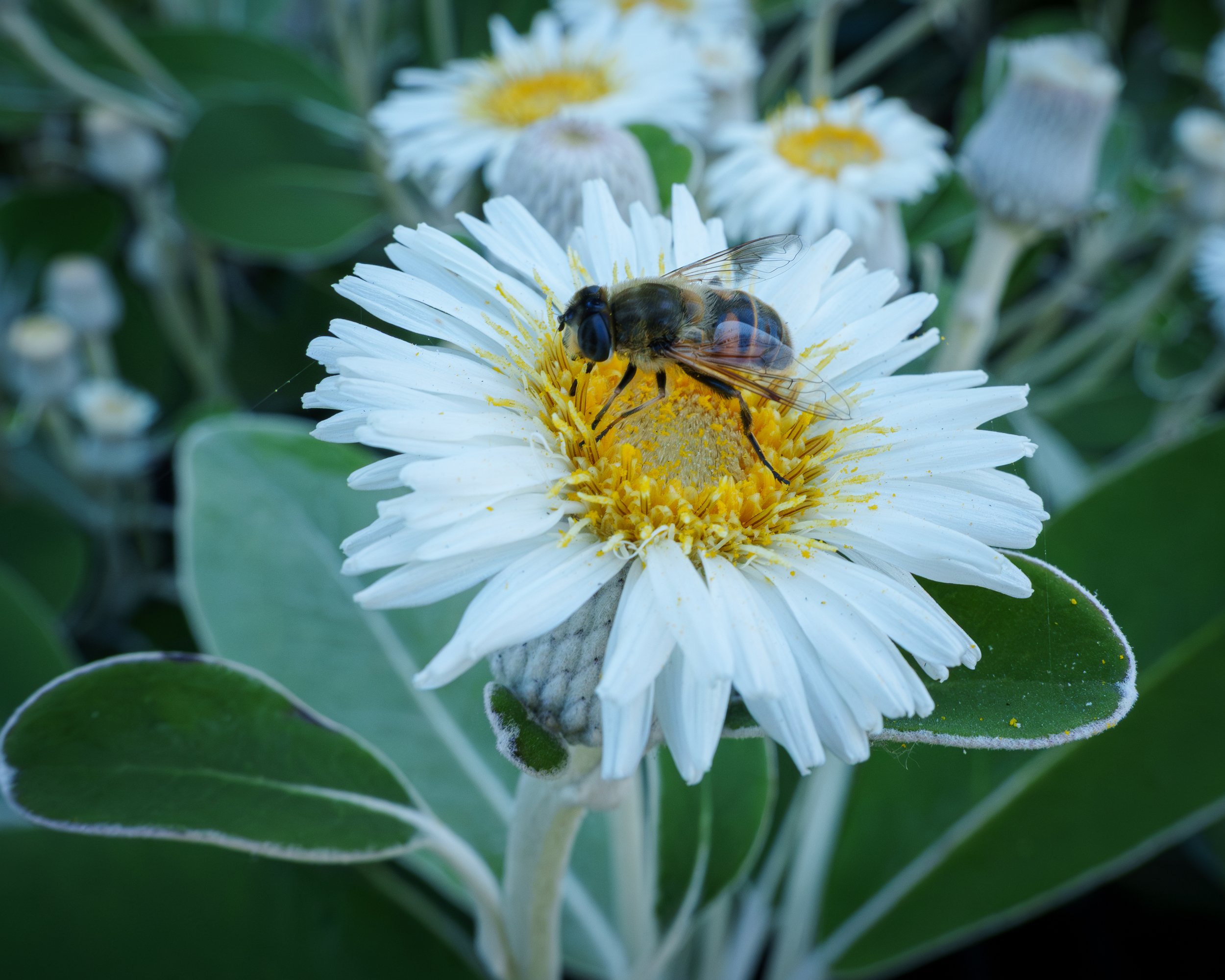
Life within the garden is sustained by its smallest workers, celebrated in The Unsung Pollinators. Bees, hoverflies, and other delicate visitors move through the frames with purpose, stitching together the continuity of the seasons. Yet the garden is not without its drama, captured in The Intruders’ Feast, where opportunistic insects and seasonal invaders leave their mark, reminding us that every ecosystem is a balance of beauty and disruption.

Together, these themes form a layered study of the garden’s shifting life, revealing a world that is vibrant, fragile, and endlessly evolving.

The Architecture of Flora

This project documents the natural beauty of Marlborough’s gardens, from Pollard Park to Seymour Square in central Blenheim. Using a TTArtisan 40mm 1:1 macro lens and a Sigma 18–50mm 1:2.8 macro lens, I focused on capturing fine botanical details and close up textures. The 2025–2026 summer brought unexpected challenges. Persistent cold and rain from late December through January limited opportunities to shoot. A shift to hot, dry conditions later in the season allowed the project to progress, shaping both the timing and the visual character of the final collection.

A Fragrant Industry

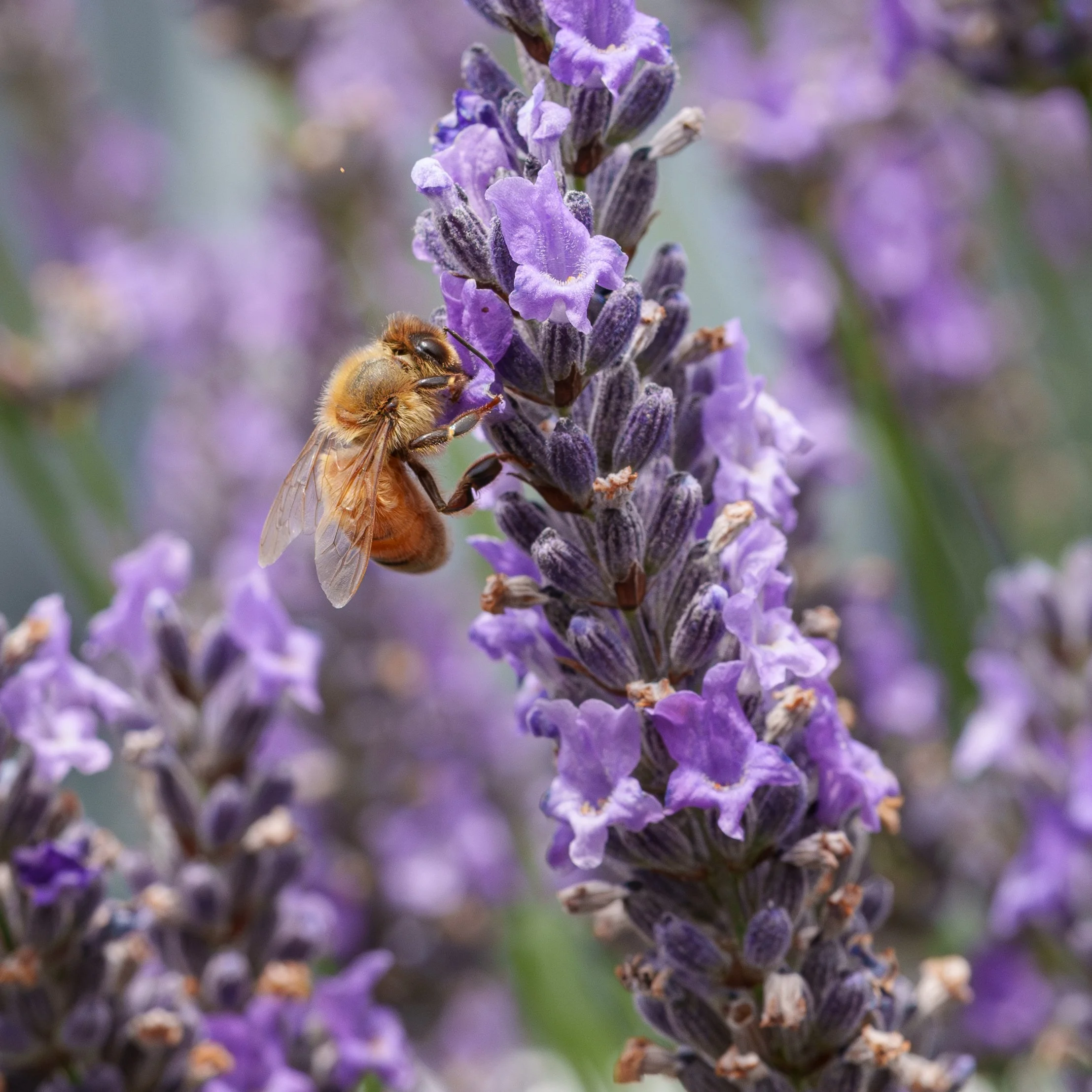
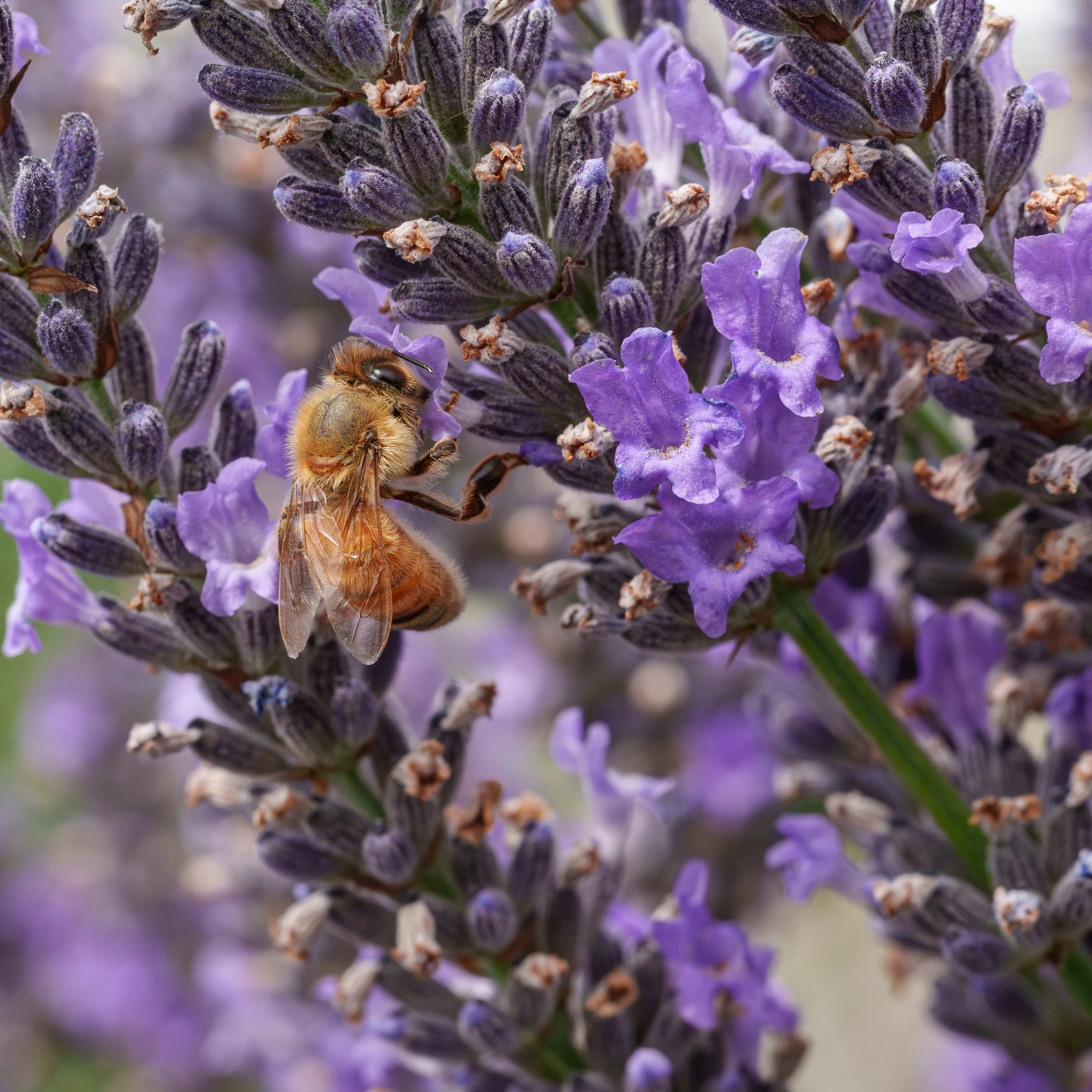
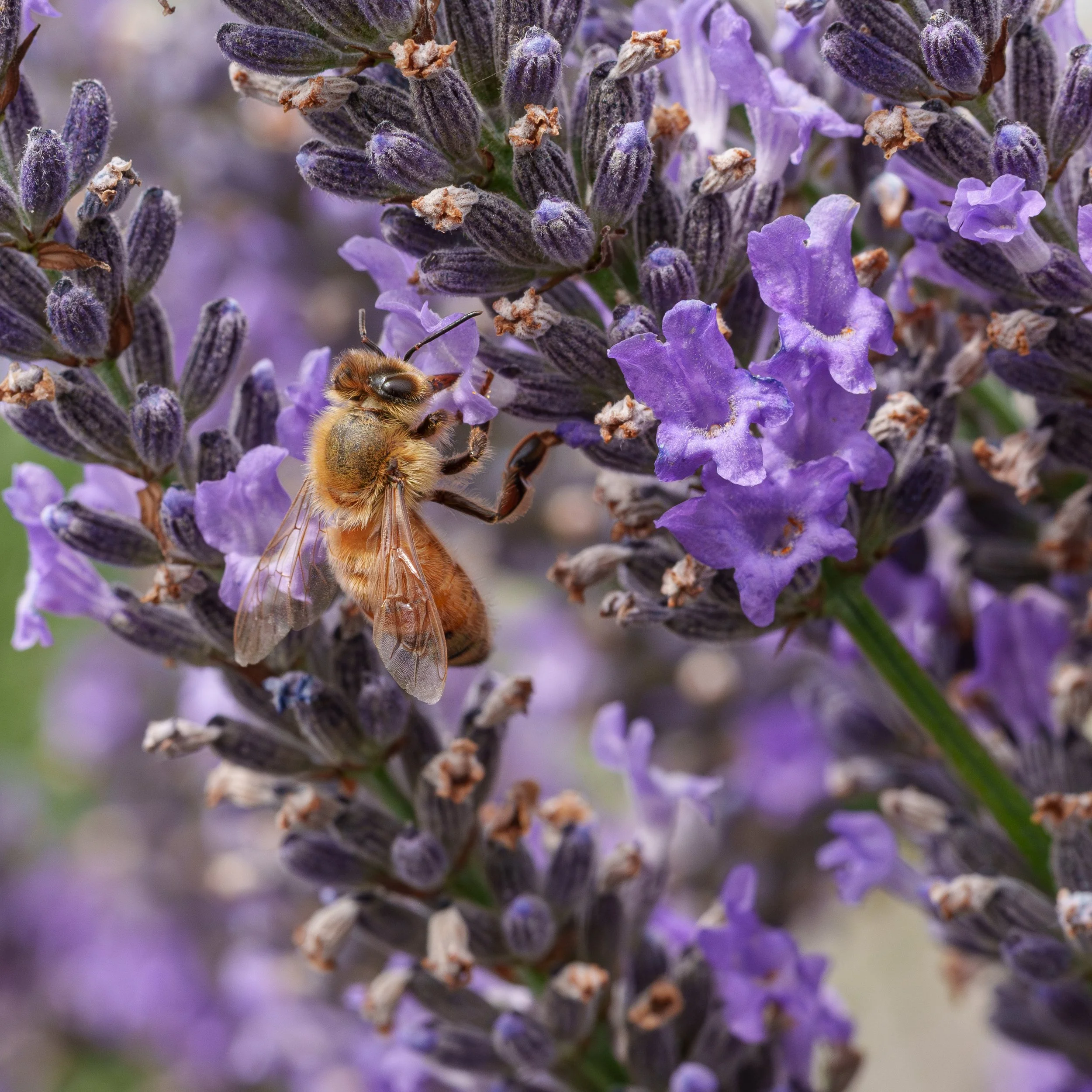
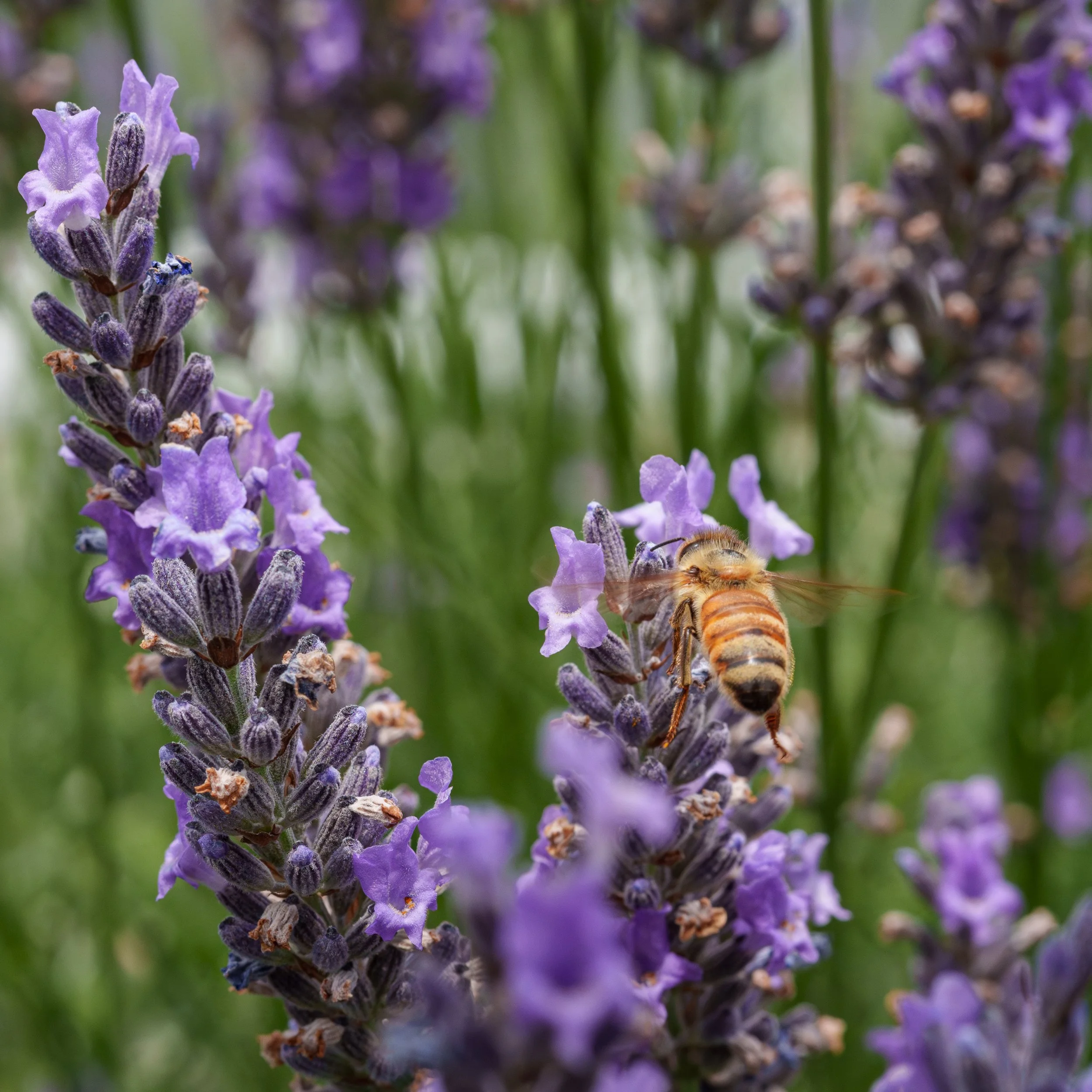
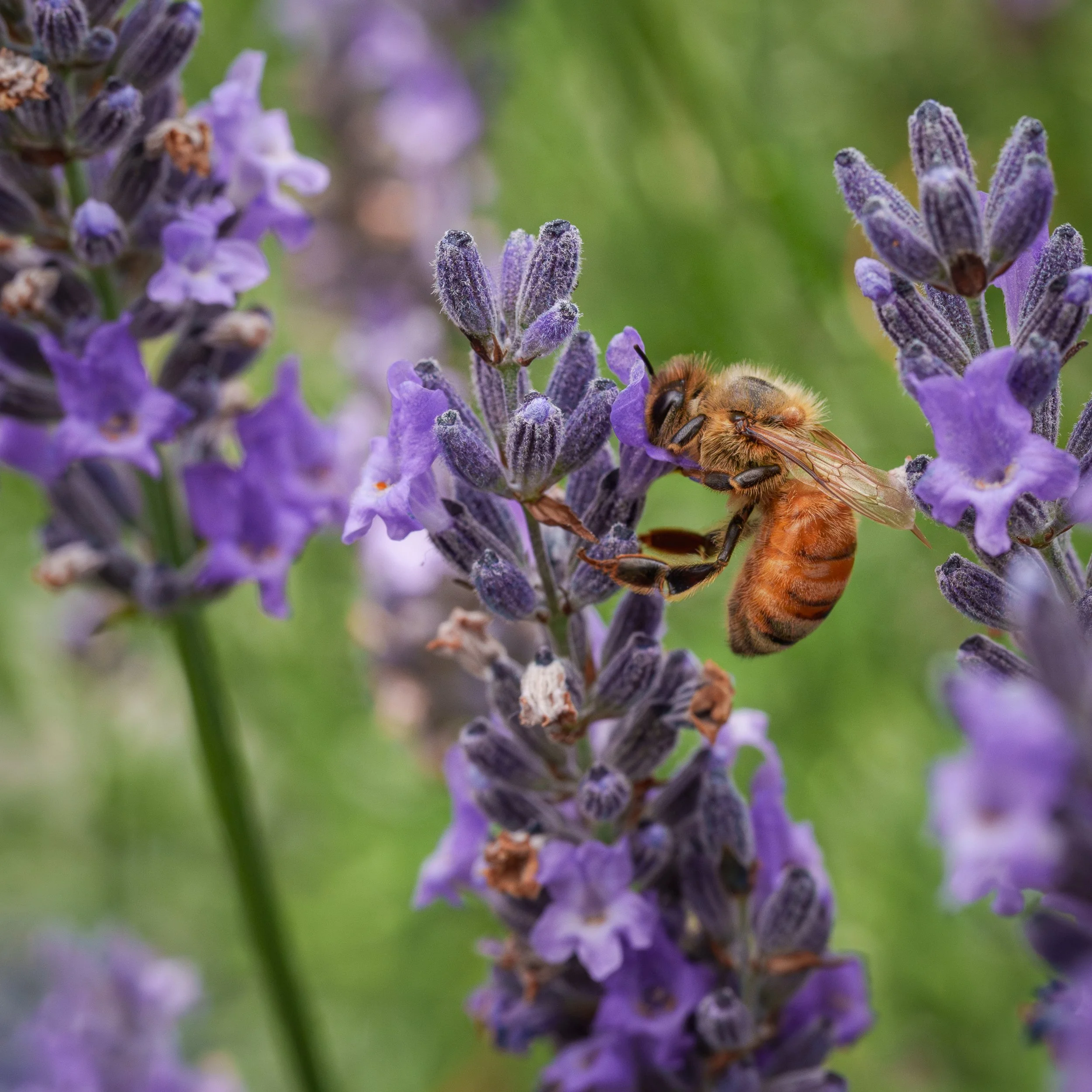
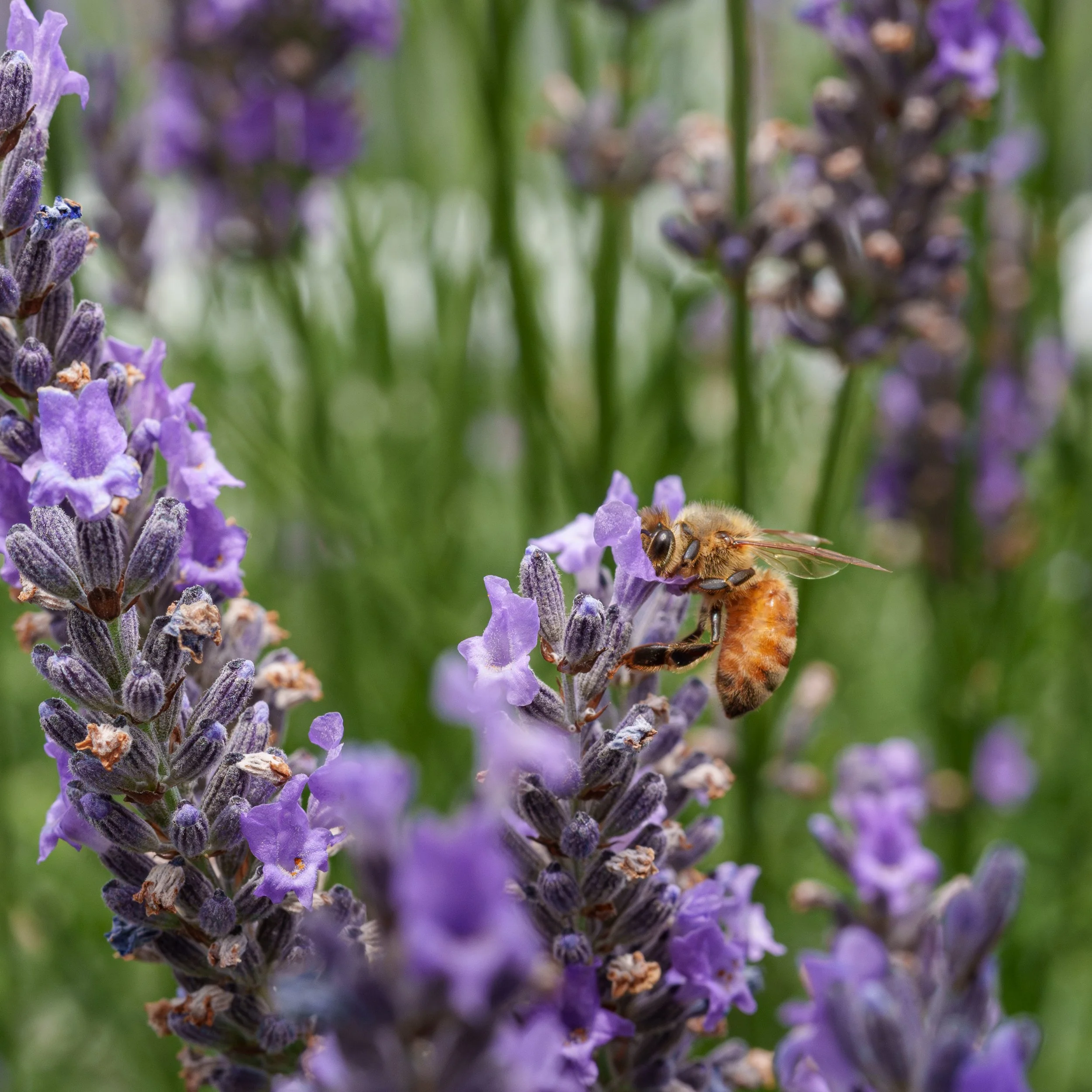
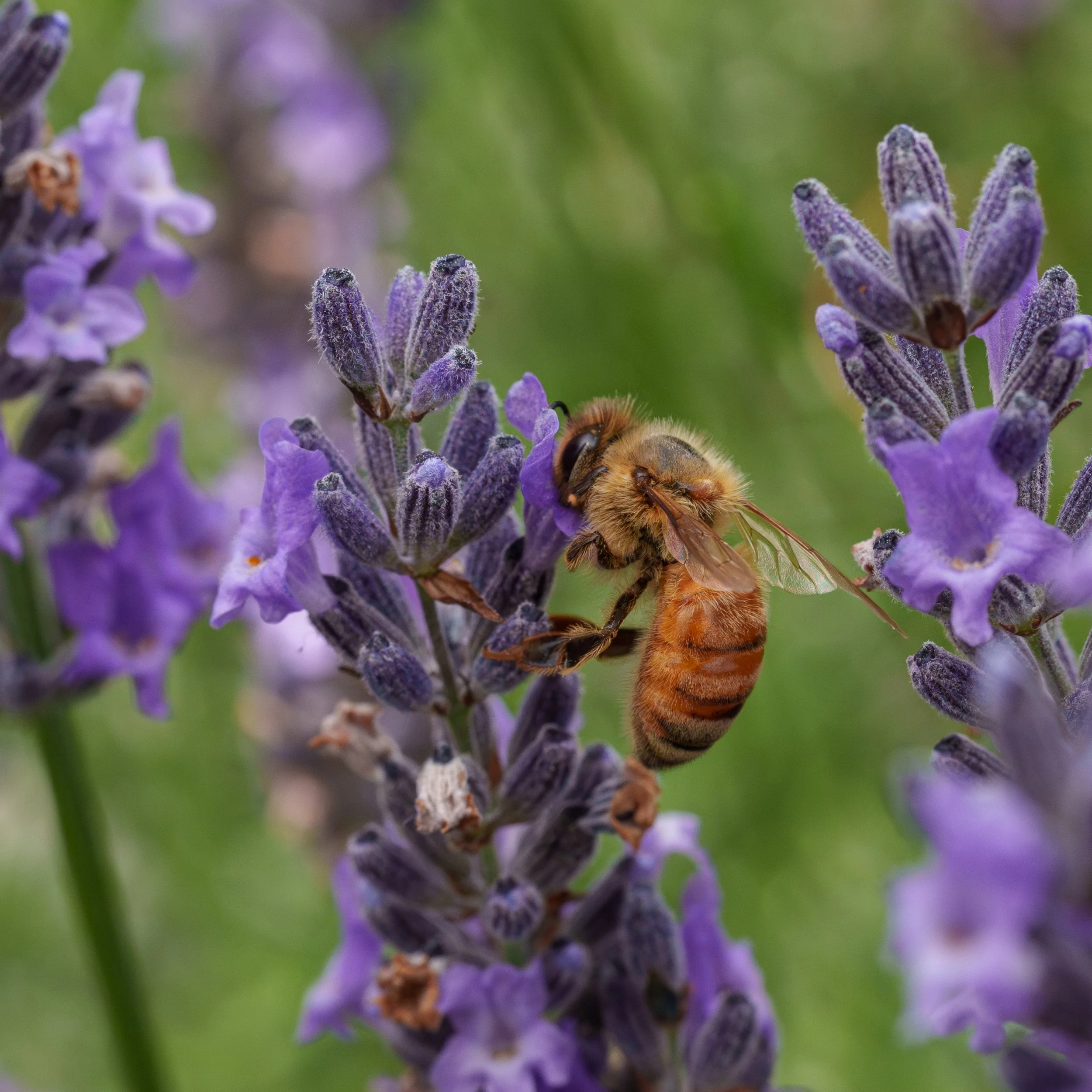
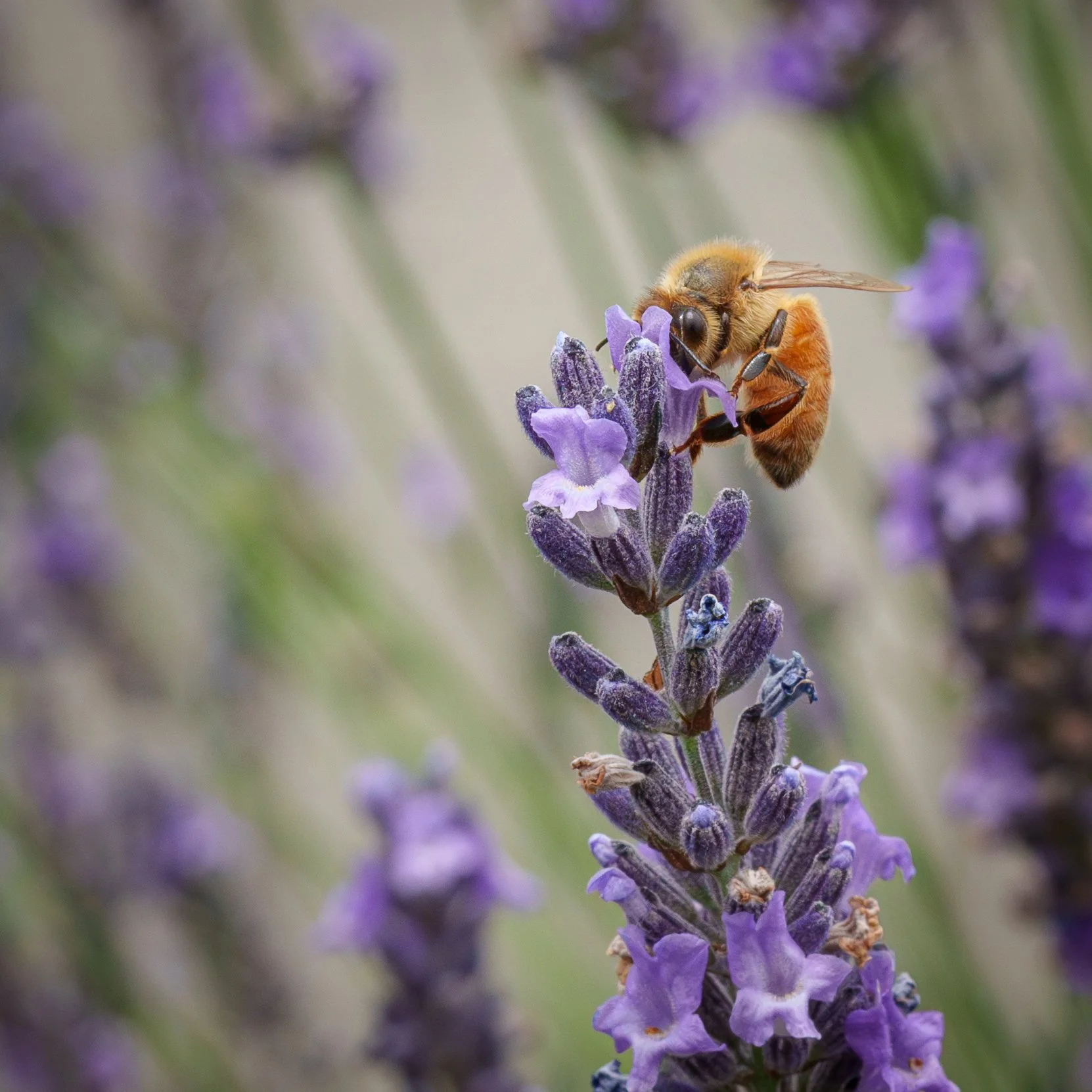
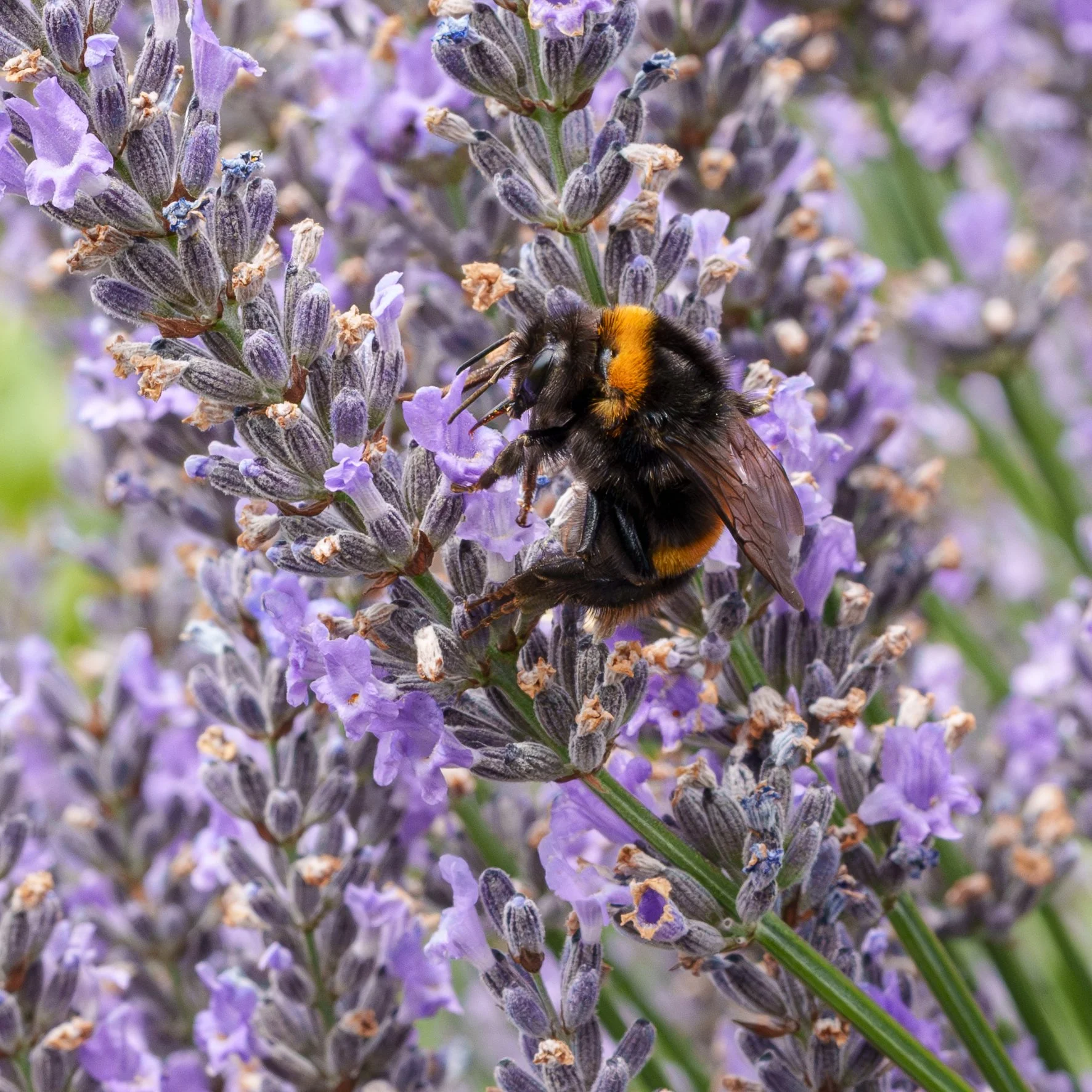
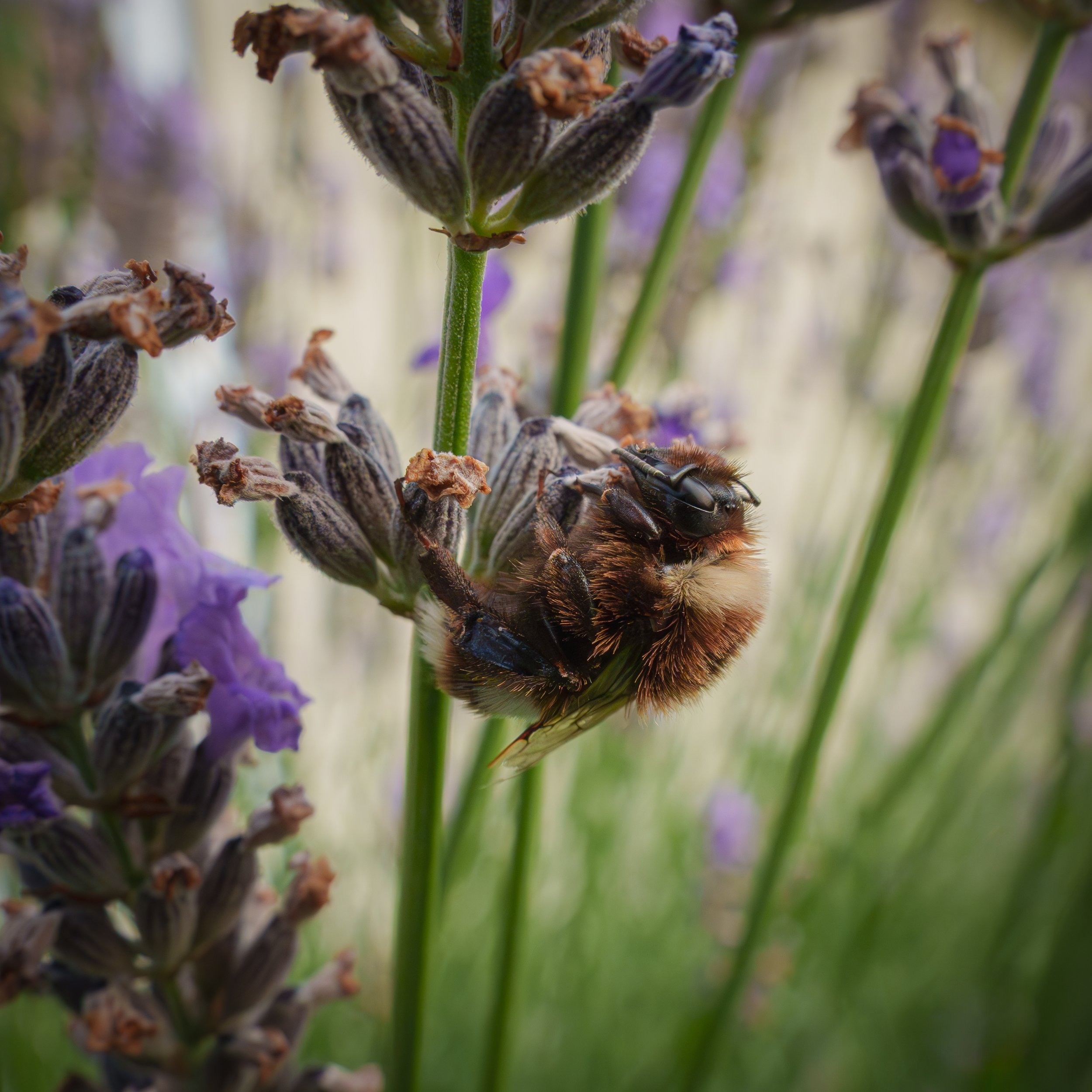
My home is bound by a living boundary of lavender, a vibrant sanctuary that transforms early summer into a bustling haven of life. This series captures the steady, rhythmic dance of the bees and bumblebees that arrive with the warmth, lost in the quiet industry of foraging. Through these frames, the boundaries between the domestic and the wild blur, inviting you into a fragrant, sun drenched world happening right on my doorstep.
The Unsung Pollinators

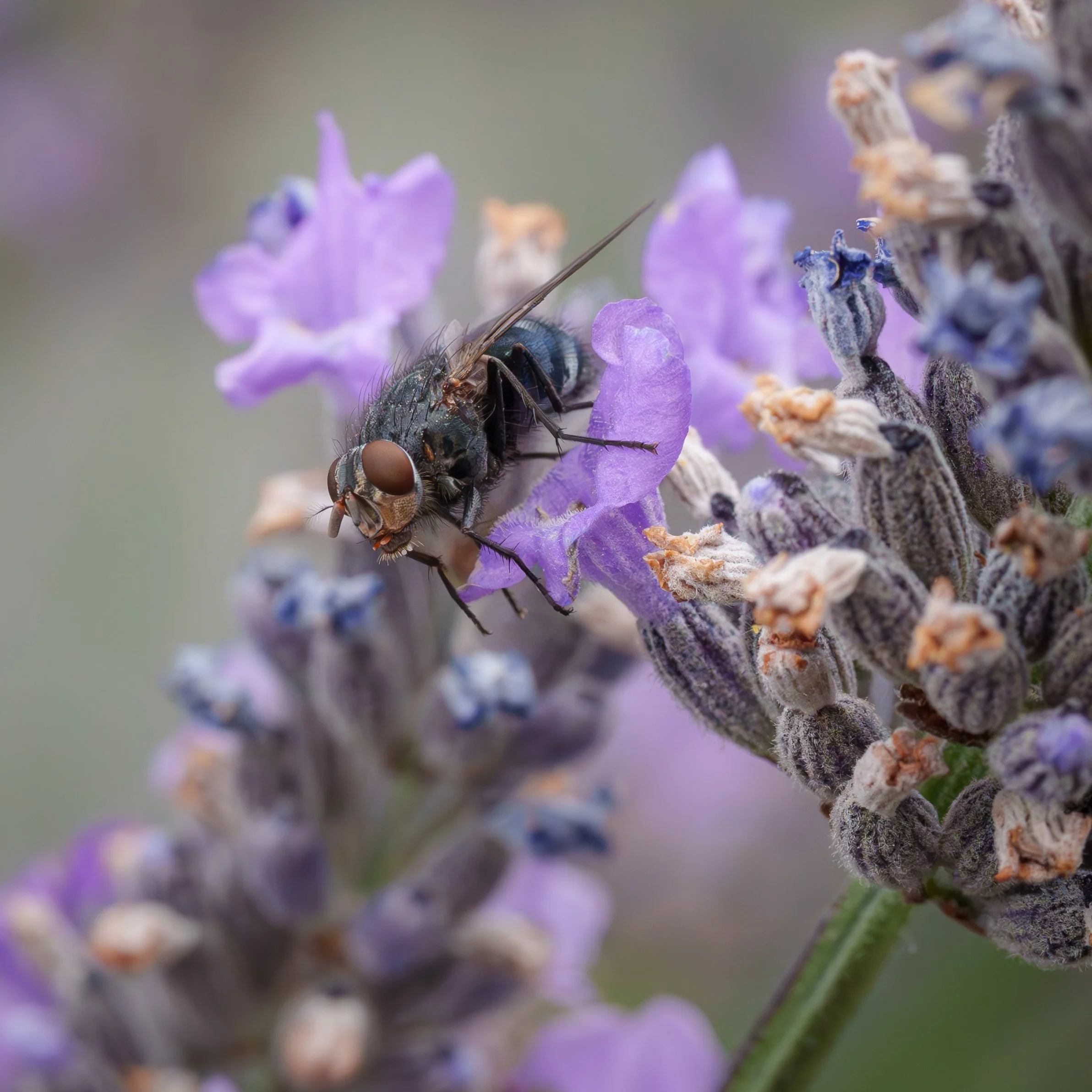
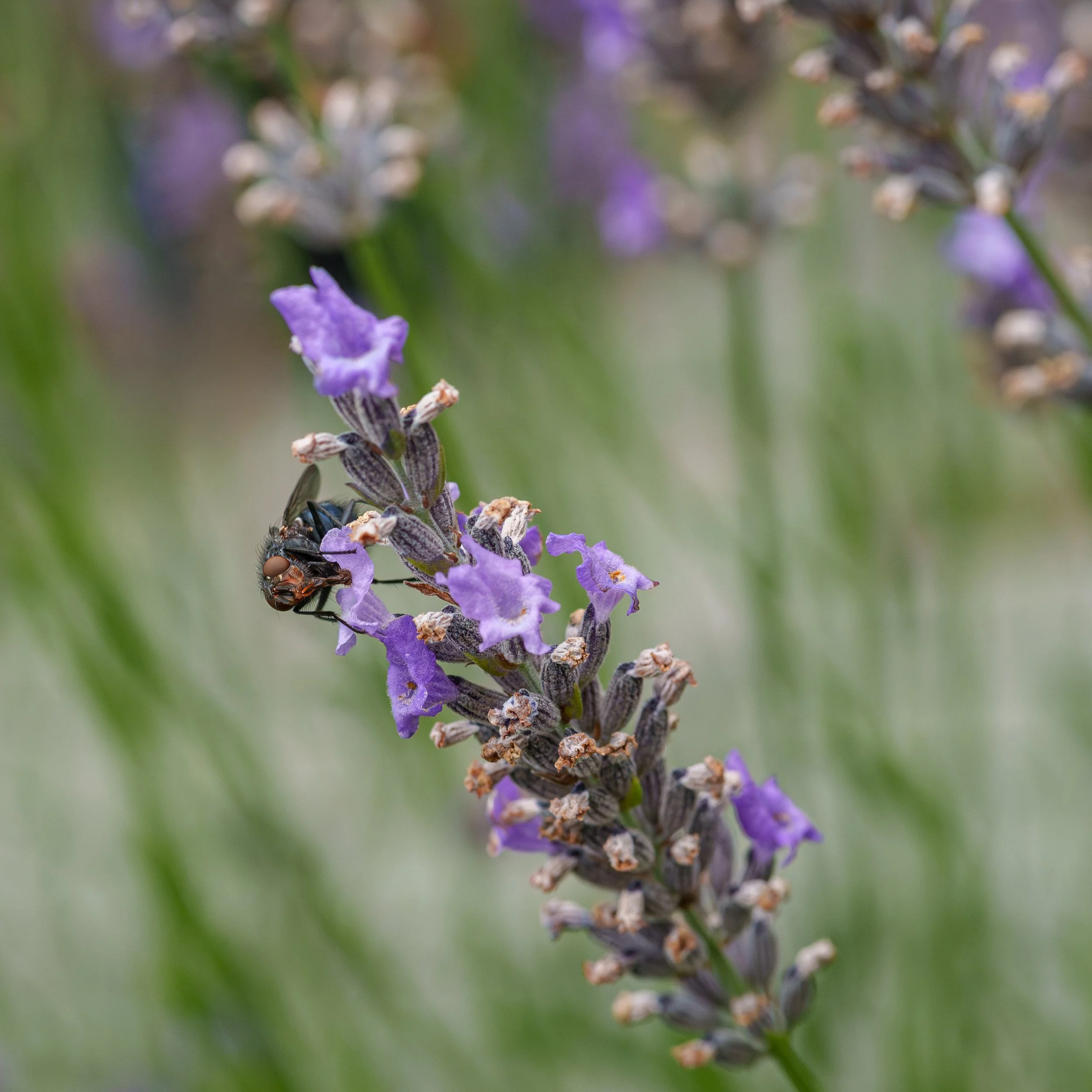
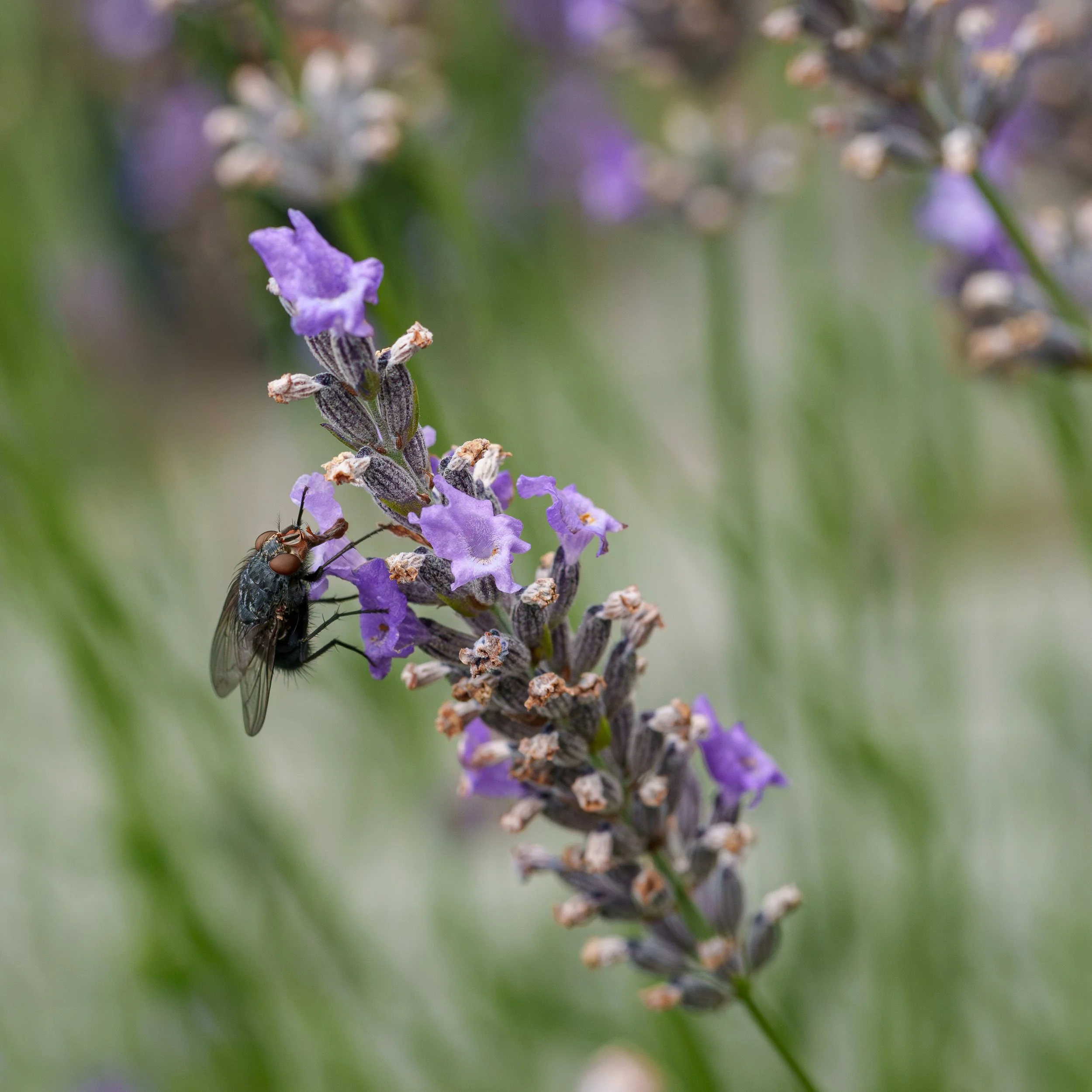
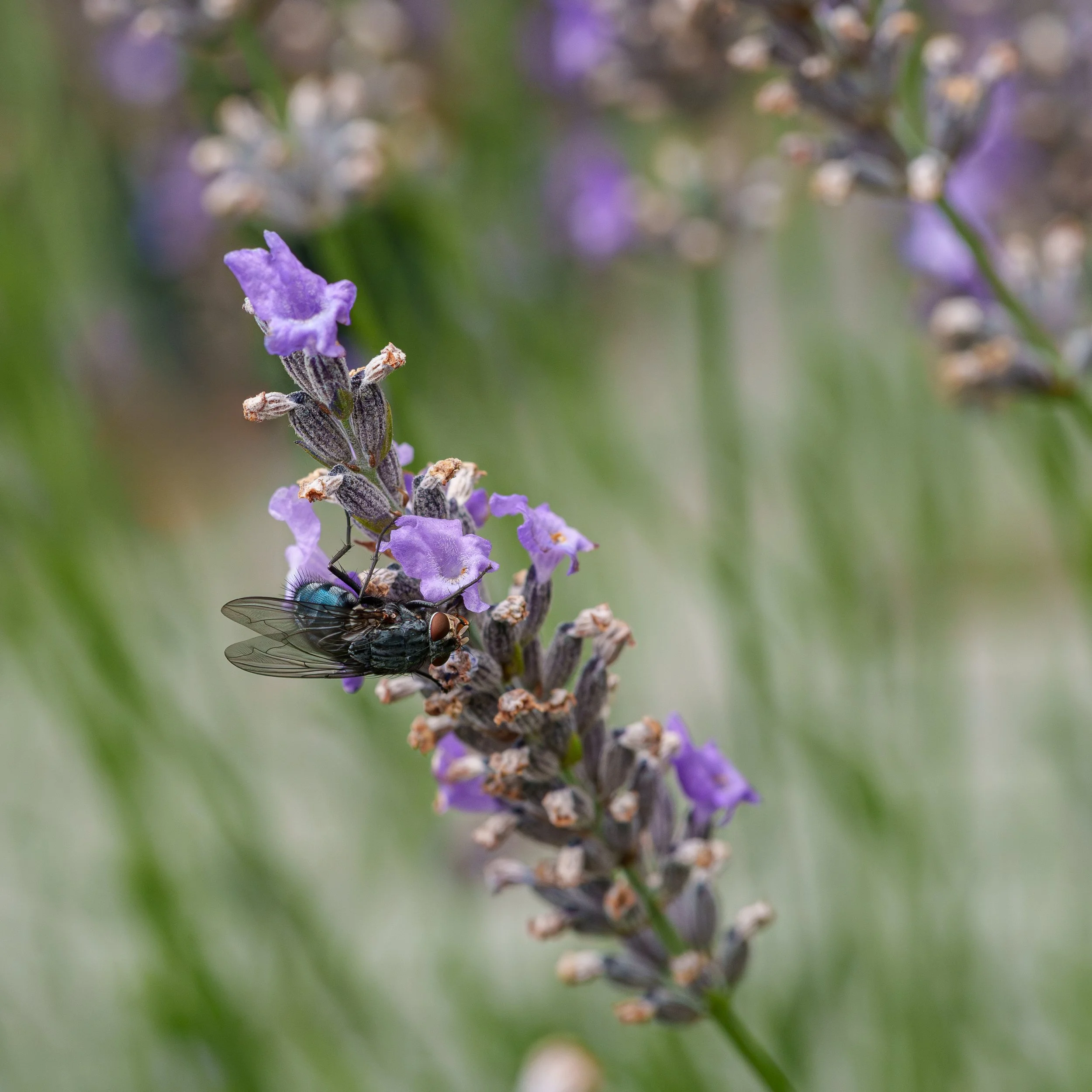
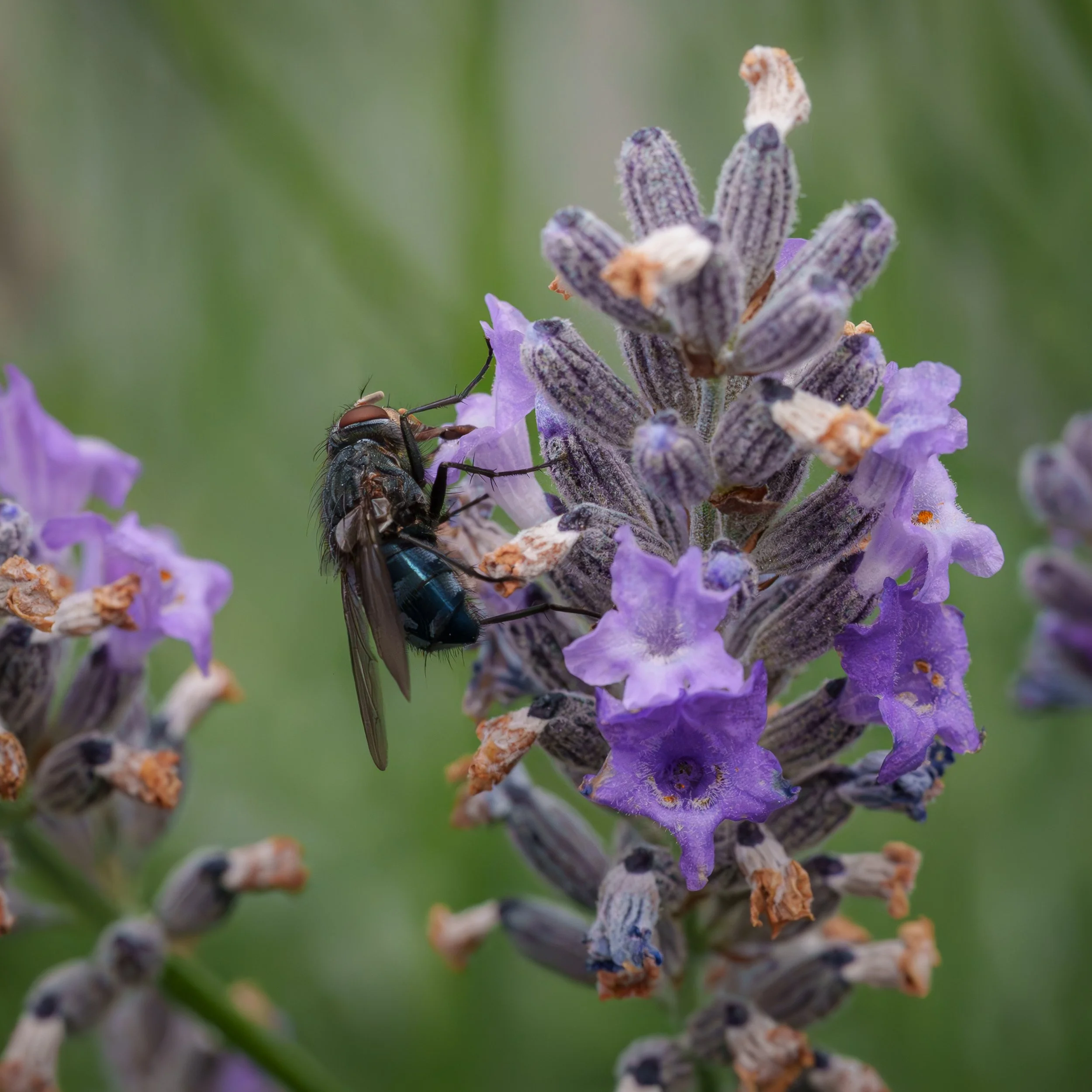
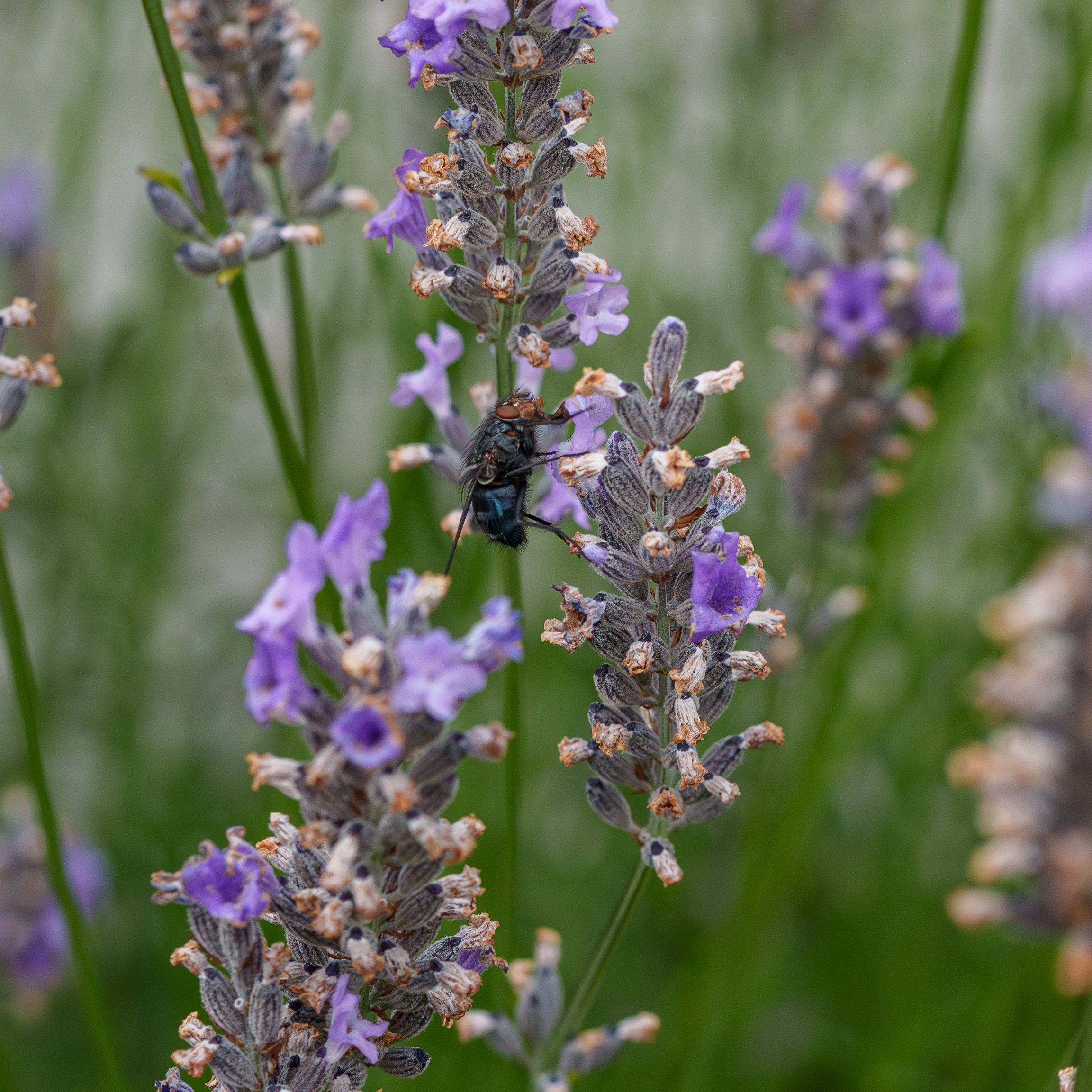
While popular gardening wisdom celebrates lavender for its ability to repel pests, the opening of its purple blooms tells a different story. Once in flower, the plant becomes a vital ecological magnet, offering energy rich nectar and protein heavy pollen. This series subverts expectations by training the macro lens on an overlooked truth, flies are the world’s second most important pollinators, right behind bees. By documenting these unexpected visitors alongside traditional pollinators, this collection challenges our ideas of backyard pests, framing them instead as essential, beautiful contributors to a thriving ecosystem.

The Intruders’ Feast

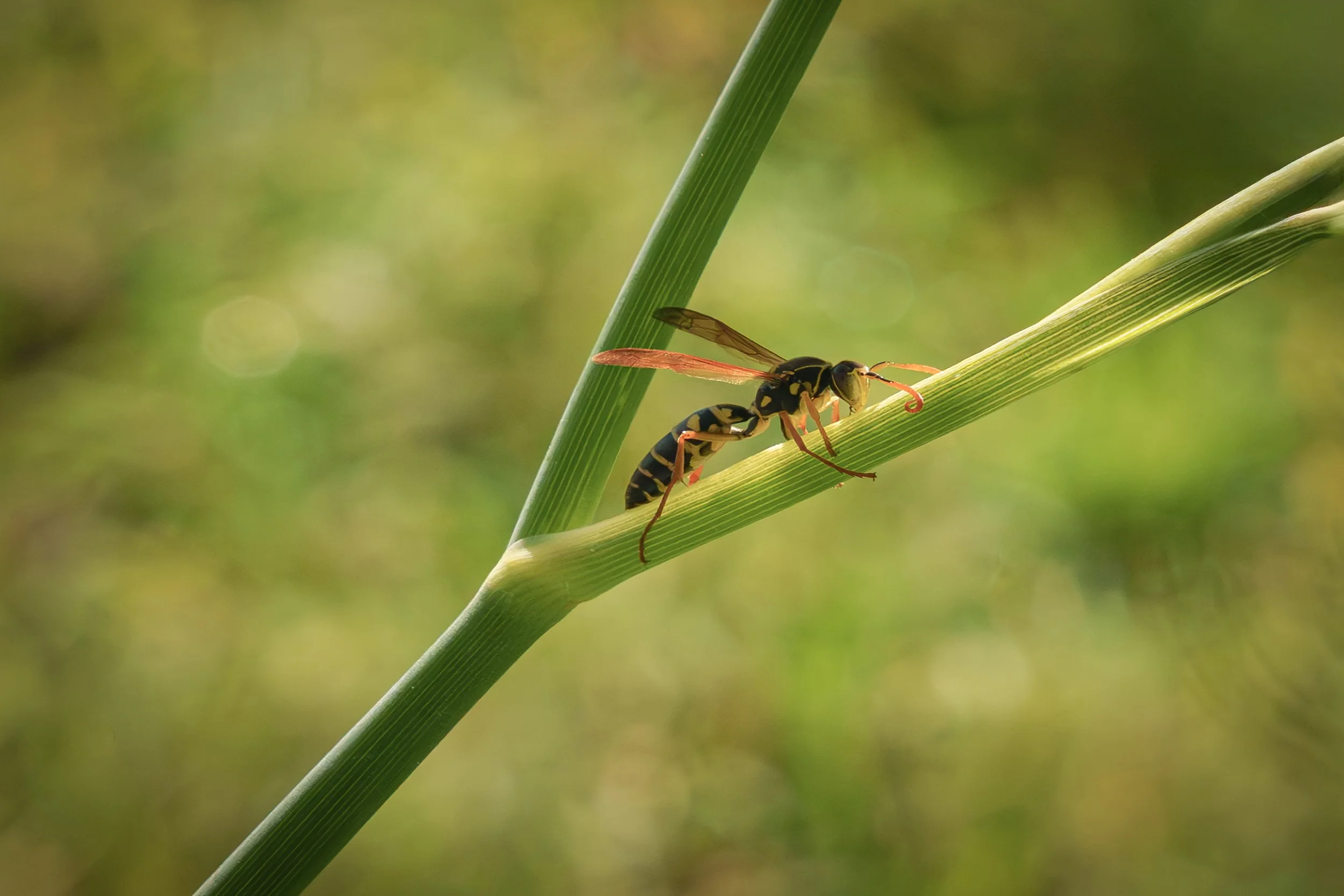
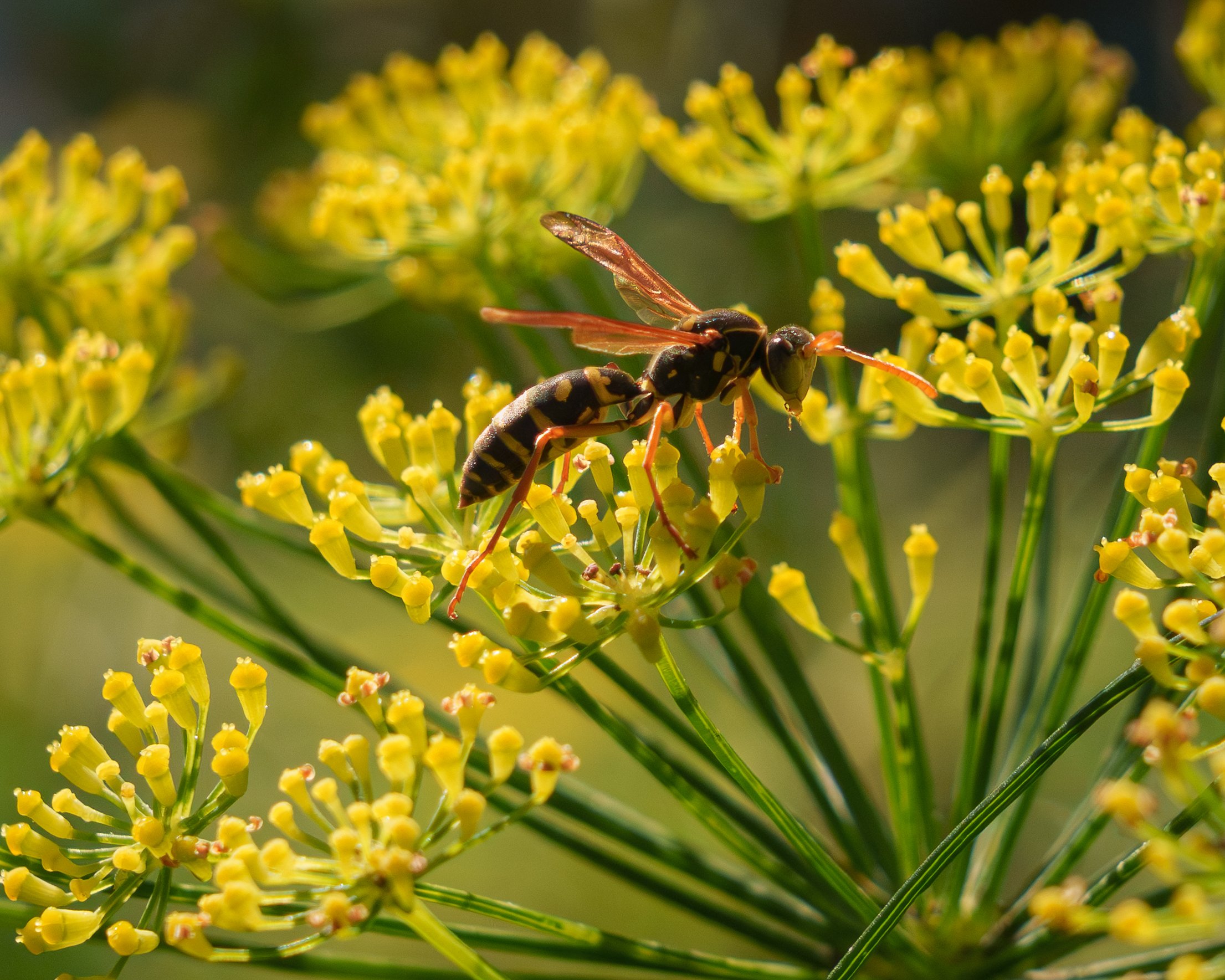
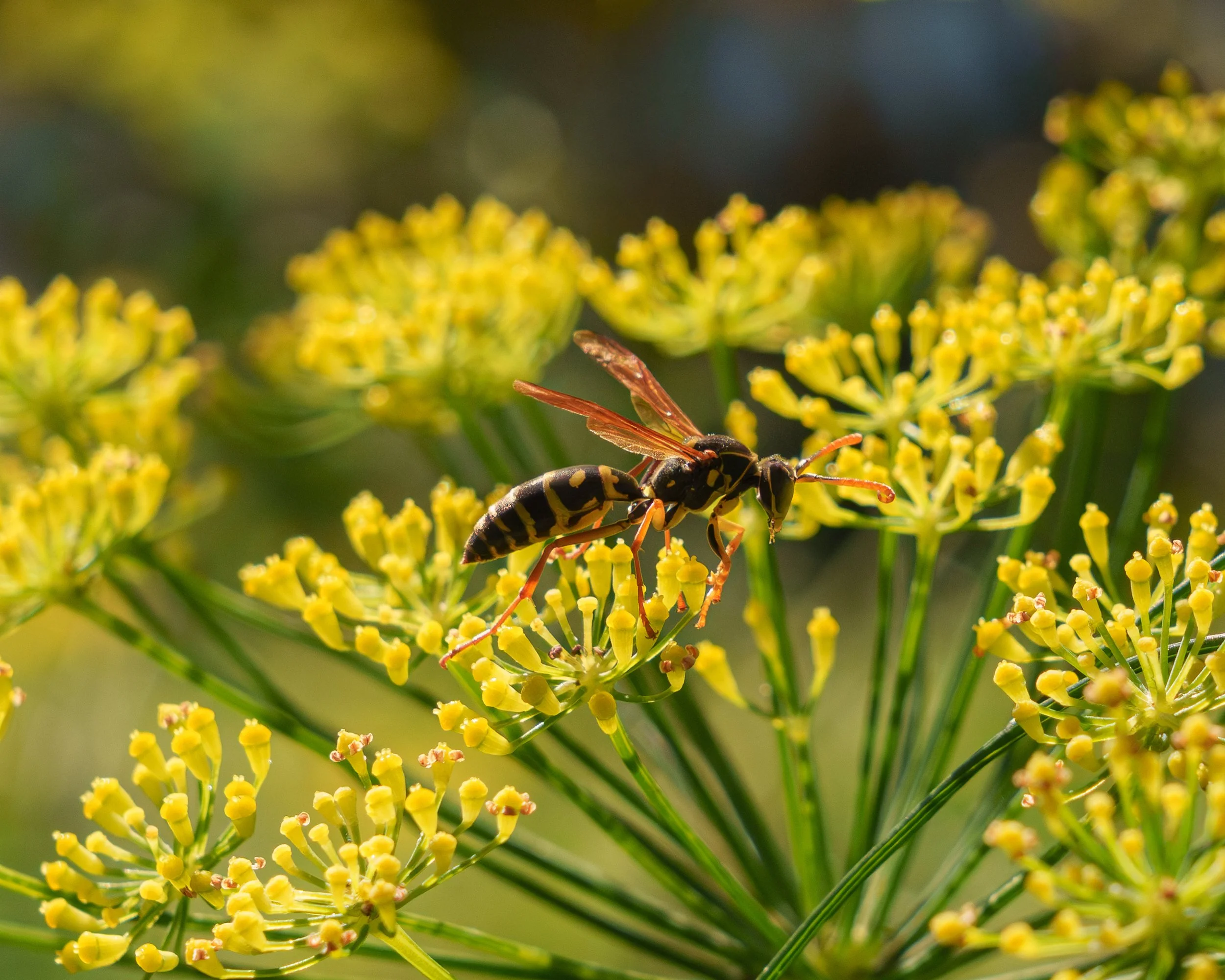
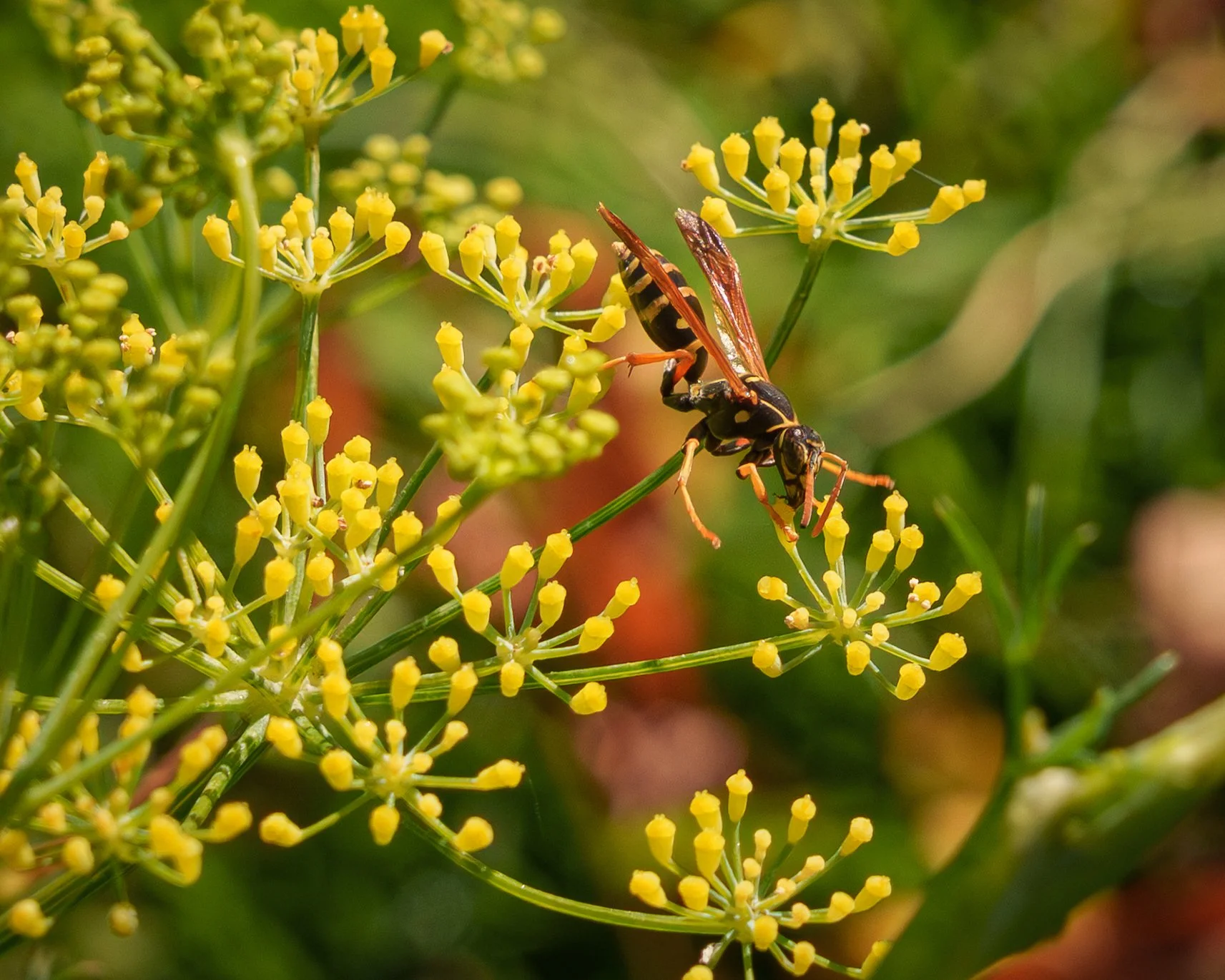
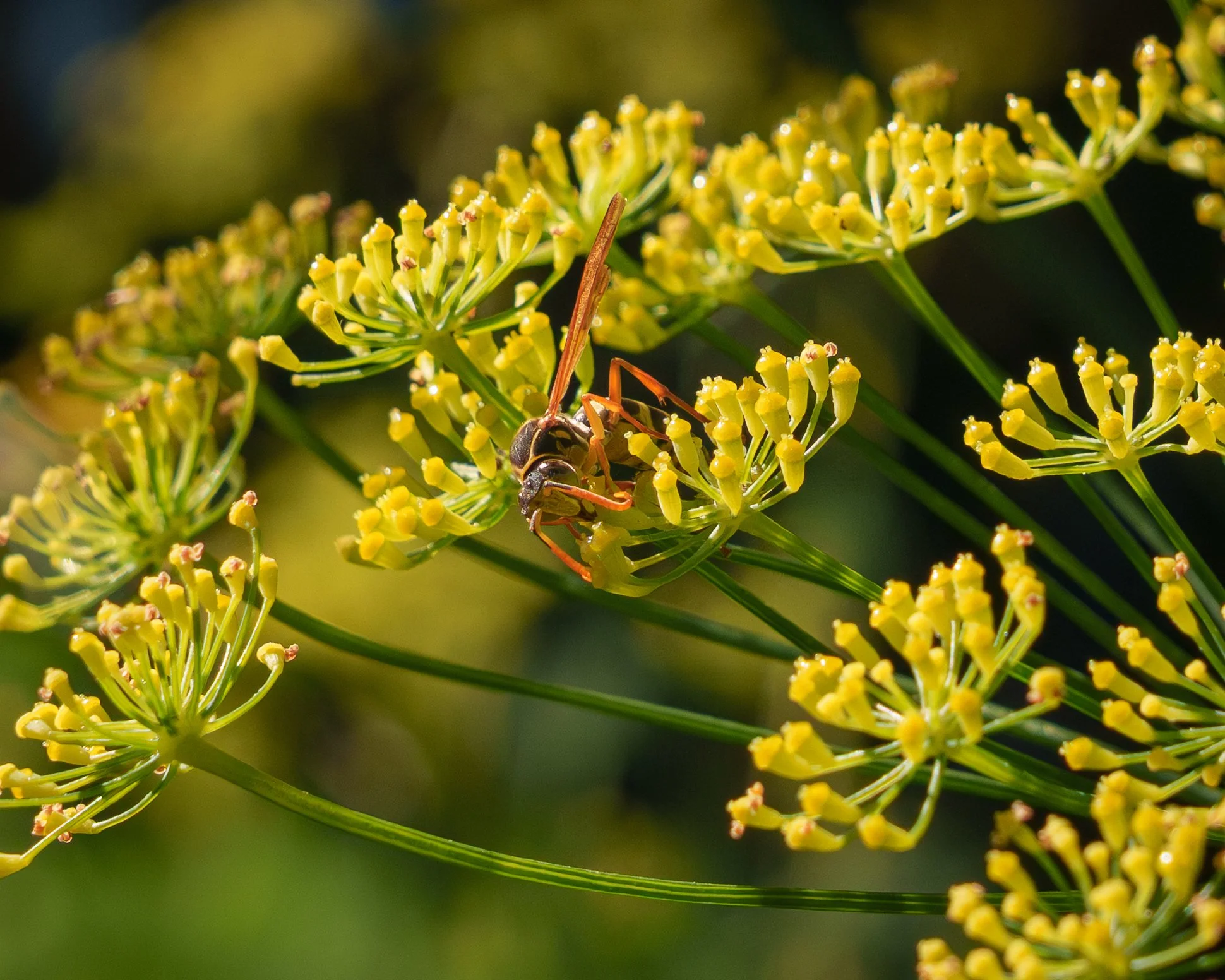
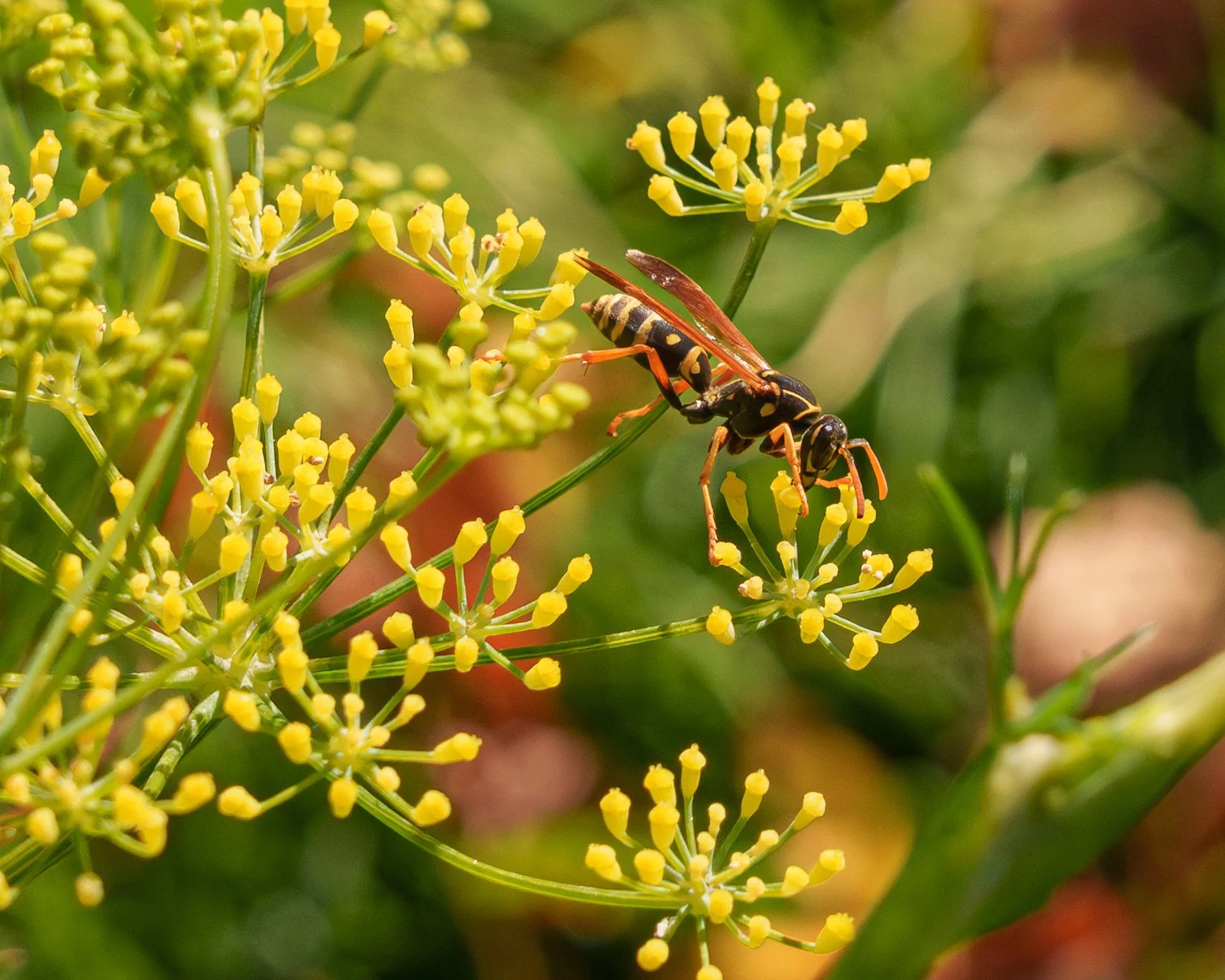
Widespread across the North Island and the upper South Island, the Asian paper wasp (Polistes chinensis) is an introduced predator with a complex ecological footprint in New Zealand. Though they hunt agricultural pests like aphids and caterpillars, they also heavily target beneficial pollinators and native monarch larvae.Yet, the adult wasp relies on a gentler fuel, pure floral sugar. This series captures them drawn to the flat, accessible yellow umbels of flowering fennel, a geometric favourite for the short tongued insect. Caught in this high energy pursuit, the usually aggressive wasps enter a docile, slow moving state, allowing the macro lens an unprecedented, peaceful look at a highly controversial species.

Previous
Previous

From Dawn to Dusk