
The Story of My Summer Photography Project in the Gardens
One thing I really love is getting macro and closeup photos of flowers and insects in the gardens. By using a macro lens you gain the ability to capture the intricate textures, patterns, and tiny details of petals, stamen, and insect features that are otherwise easy to miss. I use two macro lenses: one is the Sigma 18–50mm f/2.8 lens, it is also a 1:2.8 macro lens with a minimum focal distance of 121 mm, which means I can get very close to a subject and still retain sharpness and composition. It also has fast autofocus, which works well alongside the camera’s insect subject recognition system. The second lens I use is the TTArtisan 40mm f/2.8 1:1 macro lens, this lens is a manual focus lens, so there is no electronic connection with the camera. This can be quite challenging when photographing fast moving insects such as bees and flies, but it is very rewarding once you nail the focus and capture a perfectly detailed shot.


Choosing Subjects: Flowers vs Insects
My main project over the summer months was to create a cohesive body of work that I could later use to produce a zine, ebook, or a physical photo book. So, from early December I spent many hours taking detailed photos of flowers and insects in a range of gardens. My primary focus was Pollard Park and Seymour Square in Blenheim, along with the gardens at home. A two week break over the Christmas holidays gave me extra opportunity to get out with my camera and shoot more, although at times the weather slowed the project and limited outings. In Pollard Park and Seymour Square I mainly captured macro and closeup images of a wide variety of flowers and plants, while at home, with a generous stand of lavender in the garden, I was able to photograph insects such as bees and flies up close.
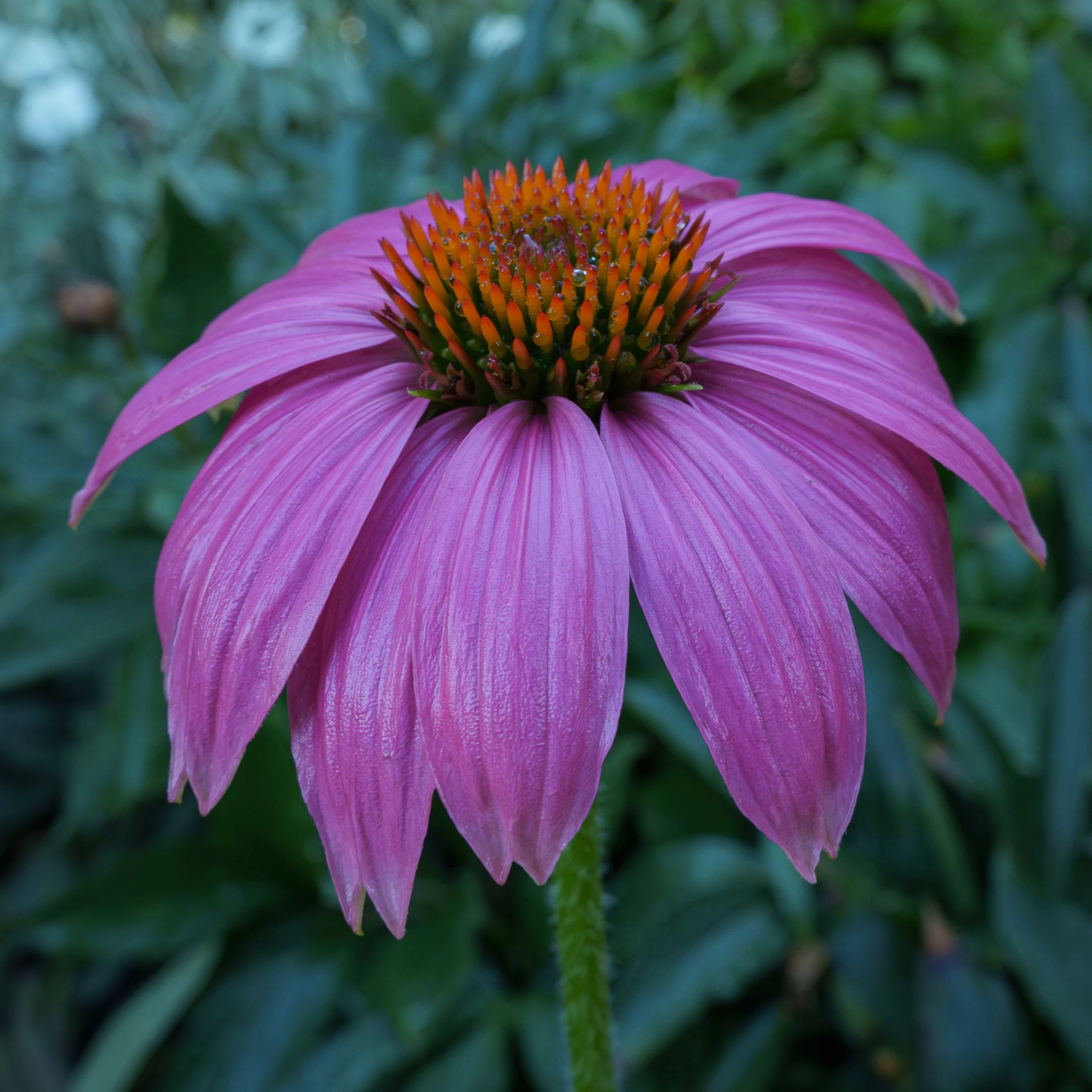
A Purple Cornflower in Seymour Square. Photo captured with Sigma 18-50mm f2.8 Lens
Managing Depth of Field in Macro Photography
When using the TTArtisan 40mm f/2.8 1:1 macro lens, the internal barrel can be unscrewed, allowing you to get much closer to small subjects, especially when photographing insects. The trade off is that this reduces the focal plane, the amount of the photo that appears in focus, so careful focus control becomes critical. In the camera settings I have focus peaking set to red, so when I adjust the focus ring anything highlighted in red in the viewfinder will be in focus. Because there is no electronic connection between lens and camera, there is also no image stabilisation, so to get a sharp image I rely on a fast shutter speed to freeze movement. There were a large number of flies feeding on the lavender, and those were the most challenging to photograph because I couldn’t get as close as I wanted before they flew away. I did manage to capture a few that stayed still long enough to produce sharp, detailed photos.
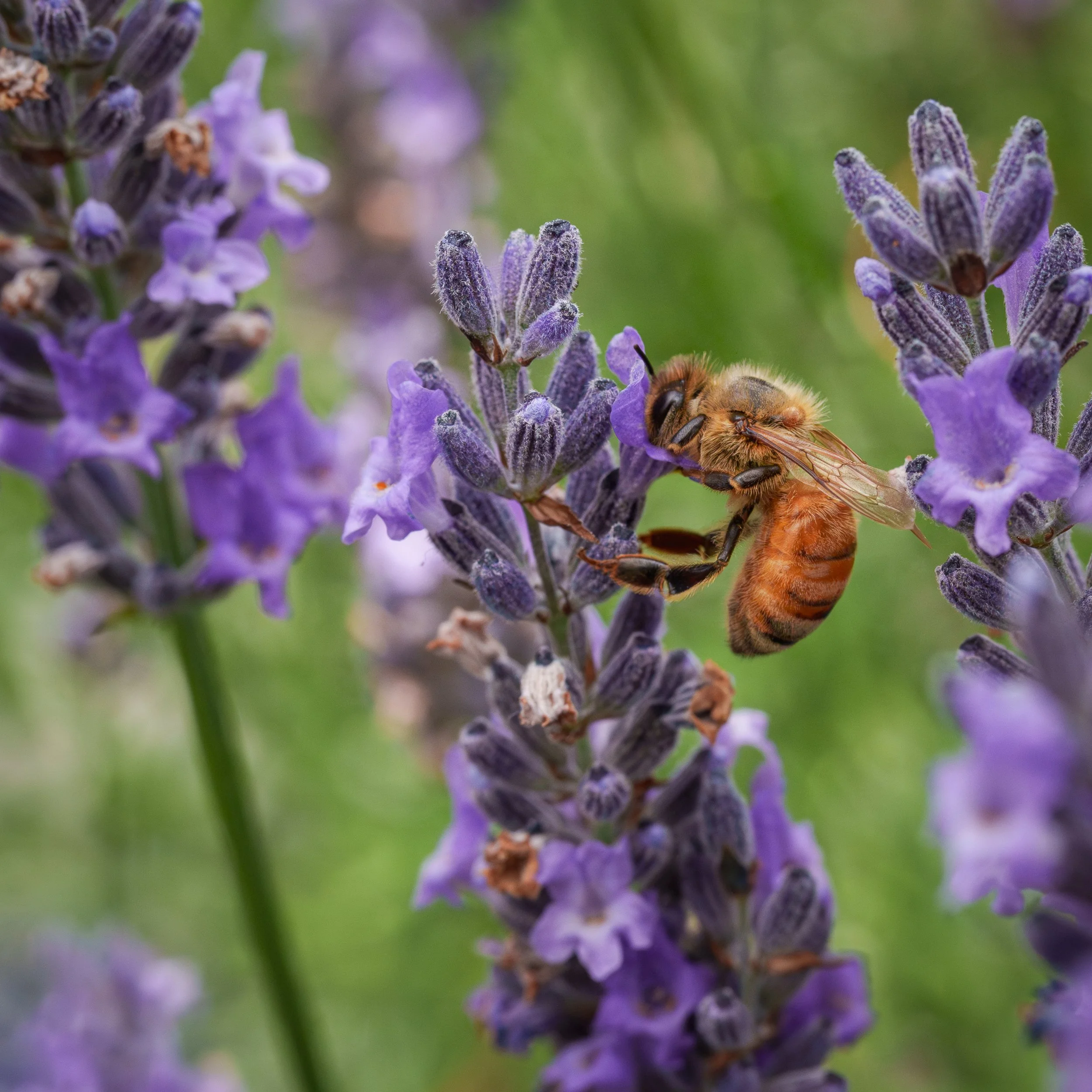
A Bee on the Lavender in the Home Garden. Photo Captured on the TTArtisan 40mm f2.8 1:1 Lens
As it’s my first day back at work for 2026 tomorrow, I’ve been looking back over the images I have captured for this project; there are approximately 120 images saved in a folder. The project isn’t quite finished yet, as I still hope to photograph a few more garden insects, such as snails, caterpillars, butterflies and ladybirds among them. So far I haven’t come across these subjects in the gardens, but I’ll keep searching over the coming weeks. In the meantime I can begin to curate the images I already have to establish a more cohesive flow between the images. I have all the equipment at home to print and self publish a zine; although the process will be time consuming, I expect it will be very rewarding to hold the finished publication in print.
This has been a personal project of mine, and the timing has finally felt just right to get it underway. It will still take a few more months of careful work to bring the final product to completion.
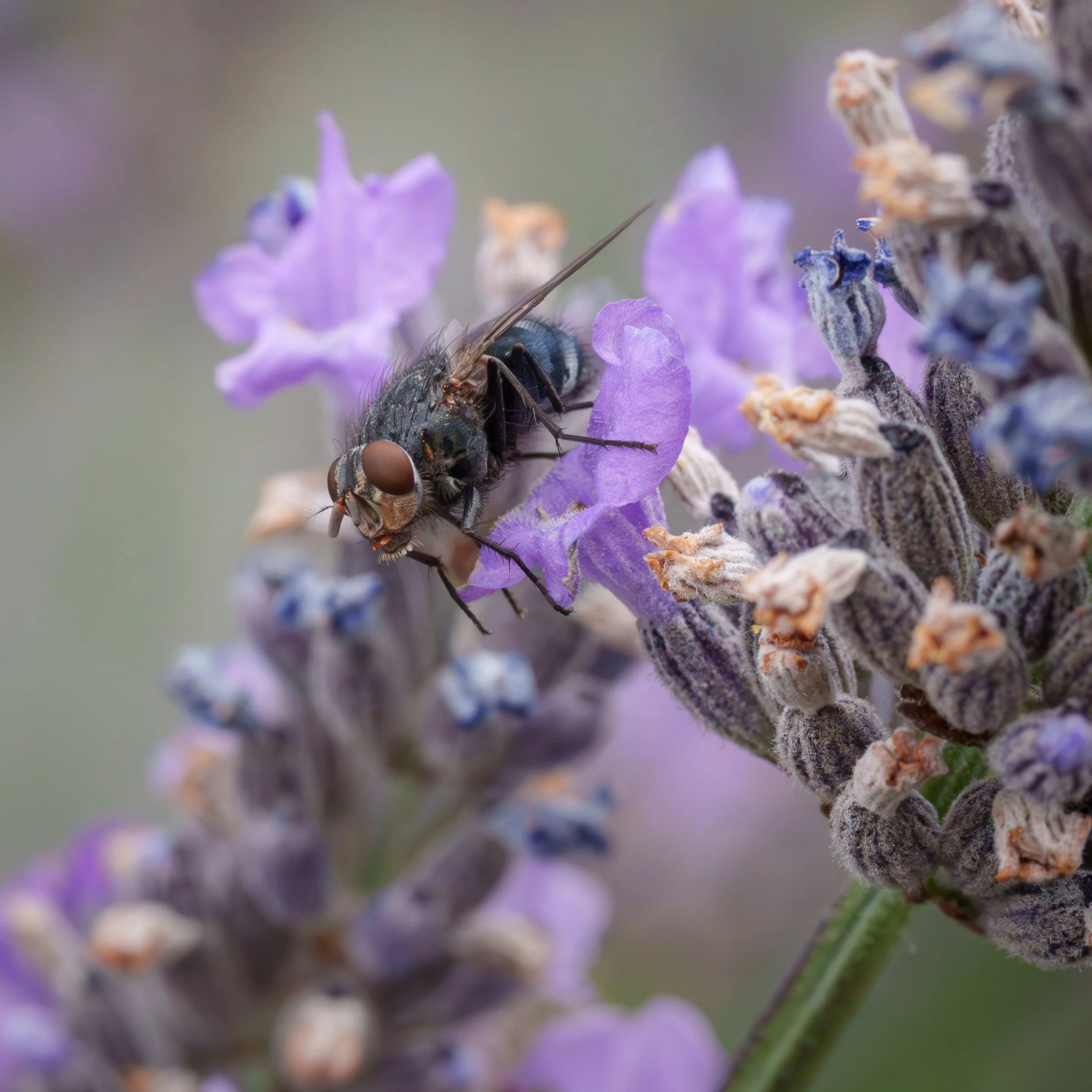
A Fly on the Lavender in the Home Garden. Photo Captured on the TTArtisan 40mm f2.8 1:1 Lens